
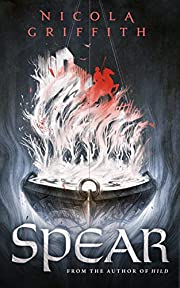
by Nicola Griffith
This was a fun Arthurian read. I was not expecting the gender-bending. I love a strong heroine.
by Nicola Griffith
This was a fun Arthurian read. I was not expecting the gender-bending. I love a strong heroine.
Time for an unofficial Be Natural, i.e. an unedited unfiltered photo in both directions. Not that I ever edit or filter photos, but I am known to retake them if I look (too) fat and ugly, which is editing of a sort.
“Today is SOOOOO effin’ hot…”
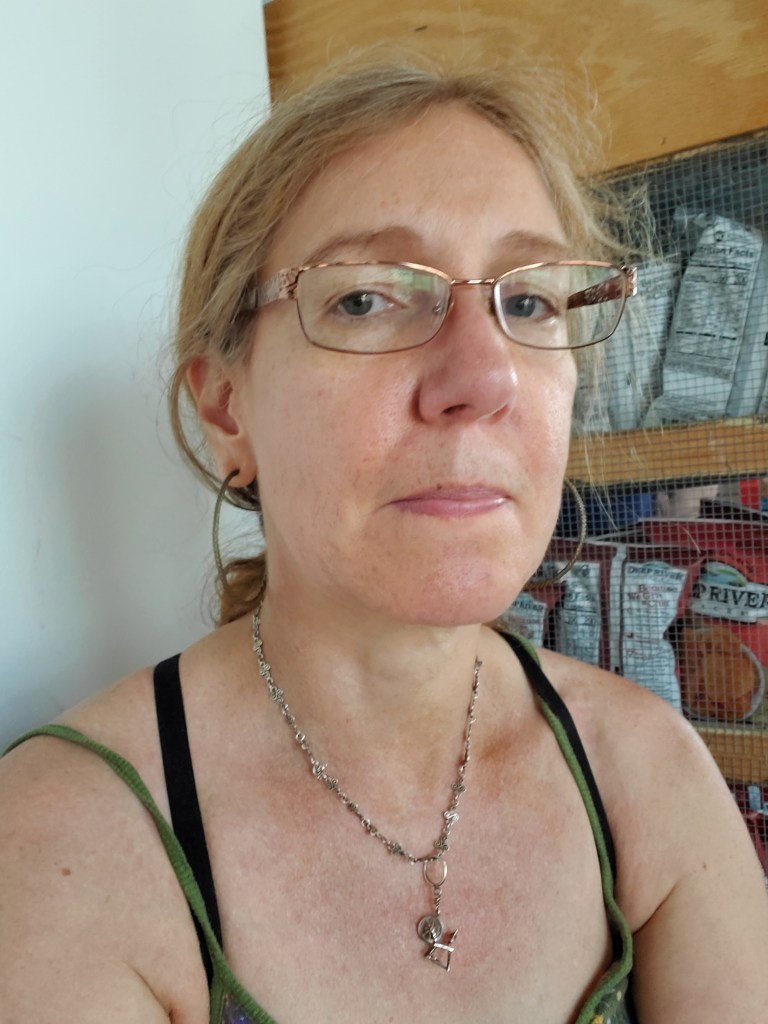
“How effin’ hot is it???…”
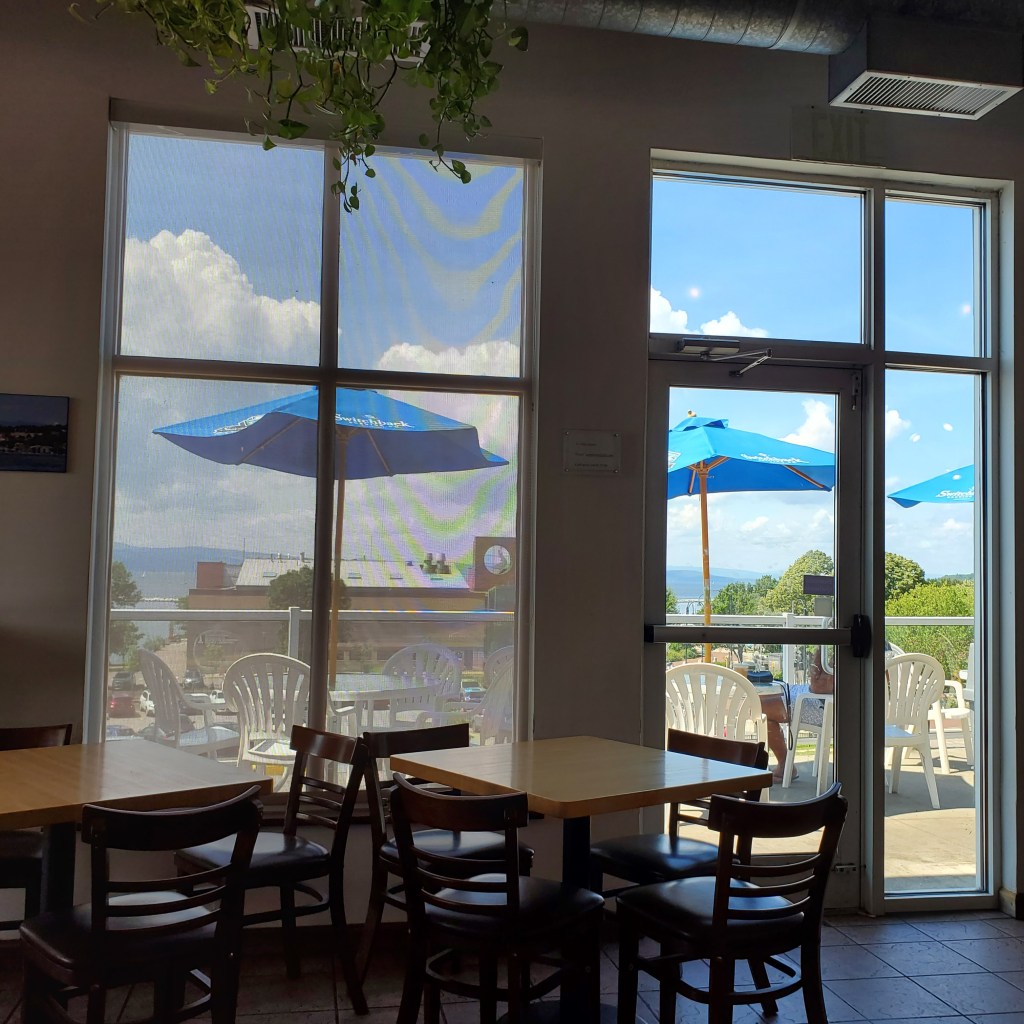
That even though outdoor seating was available, we stayed in the AC. That is so not me.
by Vaclav Smil
Numbers fill almost every paragraph of this book, and it was honestly hard not to glaze over a lot. This is the fault of myself and not the book; a book like this is all about numbers, as it’s about facts, how the world “really” works, after all.
The “four pillars of modern civilization” for Smil are: cement, steel, plastics, and ammonia. Overall this book is about that material, tangible, real-world “stuff” of civilization; and Smil casts snarky asides at every opportunity towards microprocessors, smartphones, AI, and anything else that isn’t “stuff.” We need the “stuff”, continuously, and in abundance, and the non-stuff isn’t going to save us.
You might recognize cement, steel, and plastic as literal building blocks of civilization; but just in case you can’t see how ammonia fits into the top four, it’s due to importance as fertilizer. And abundant synthetic fertilizer was a crucial input to Earth’s population boom. Simply put, “nearly 4 billion people would not have been alive without synthetic ammonia.” More existentially important than silicon wafers, to be sure.
Cement? “Yet another [!] astounding statistic is that the world now consumes in one year more cement than it did during the entire first half of the 20th century.”
And as for fossil fuels, and hopes for our conversion to renewable sources of energy? “Until all energies used to extract and process these materials come from renewable conversions, modern civilization will remain fundamentally dependent on the fossil fuels used in [their] production.” It’s the oil and natural gas that get us all this steel, cement, plastic, and ammonia. Electric cars are great. But renewable electricity is not going to be able to perform the herculean job that fossil fuels do today in terms of producing the material that makes our world go round.
Smil is neither an optimist nor a pessimist, but a scientist, and it comes through. It is refreshing to read someone who neither is gung ho about how we’re gonna solve everything, nor ready to lay down and die. He thinks we’ll muddle through. But here he cuts through the “muddle” of misleading information that comes from both optimists and pessimists.

I started a Fair Isle hat. I had dyed these colors over the winter with this hat in mind. Why the heck has it been so long since I’ve done Fair Isle!? I remember now why it was my favorite thing to do.

My bday gift arrived yesterday for reals. What I was presented with on my bday was actually a set of LPs, even though Xopher ordered CDs and the box said CDs. I have a record player but it needs some attention, and I’m not really a vinyl nut. So, exchanged for digital.
I listened to 3 of the 4 CDs last night. The first is the album, the second is some unreleased tracks, and the last two are live from Wembley Stadium.
Tattoo You, along with High Tide & Green Grass, were my first two Stones albums, which I got in 1981 when I was 12 years old. I had two friends who were crazy for the Rolling Stones and frankly I just wanted to fit in at first. But a true fan I quickly became. Me and my best friend Tabitha listened to this album soooooooooo many times. I had it on cassette. She had a boom box. We did a lot of walking when we were kids, and always brought the boom box. I know every note on this album.
So I can’t be objective about it.

Some spherical squash I grew.
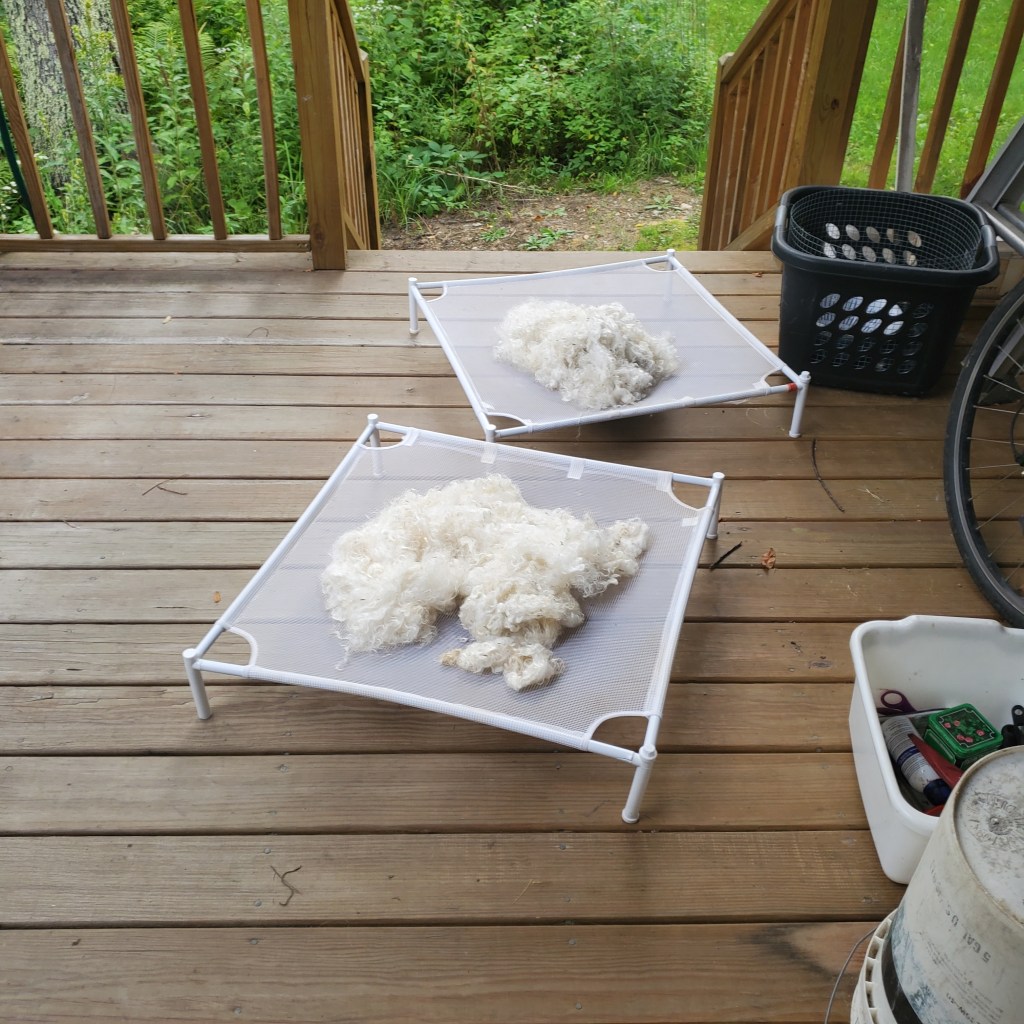
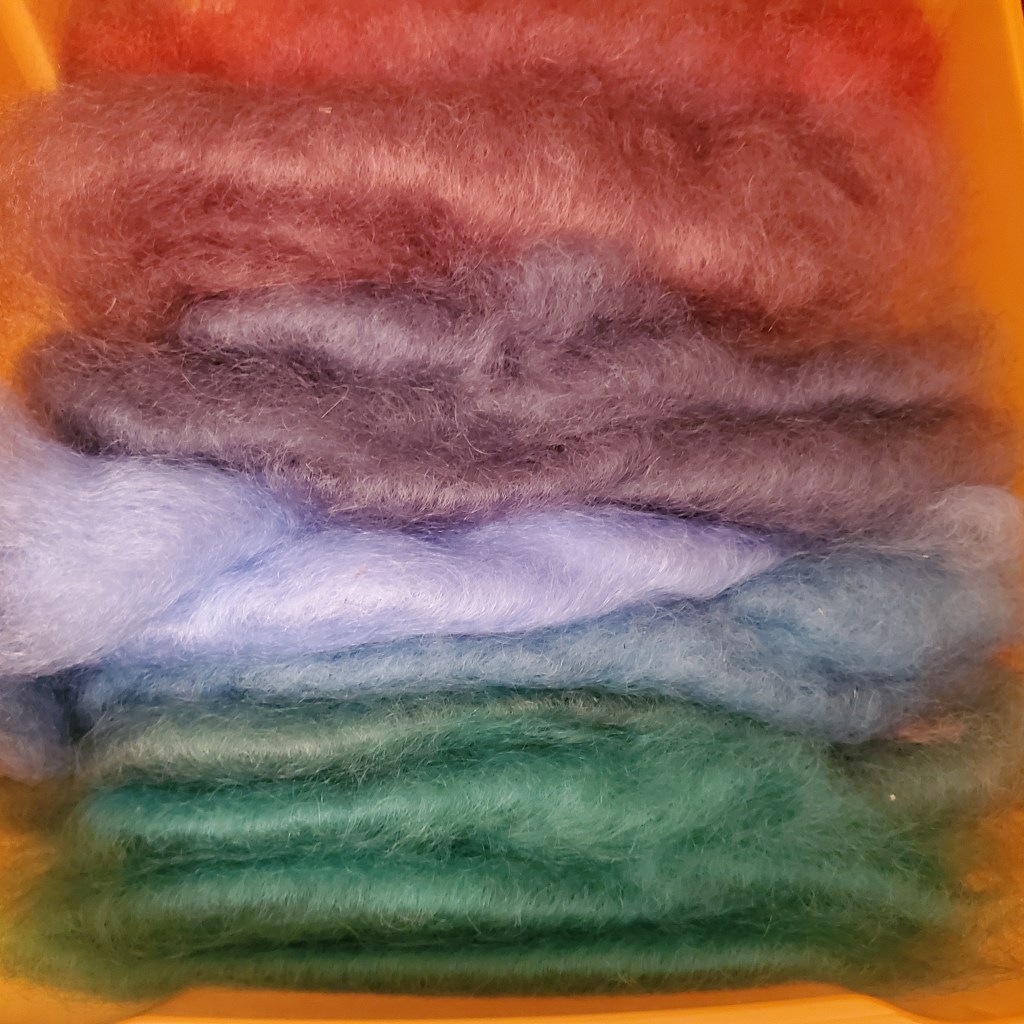
I’m really not gonna have enough mohair to fill out my 18-box display this year. I’m scraping the bottom of the barrel today with Beatrice’s fall shearing. The pictures above are from enough of a distance to make it all look so snowy-white. But the one in the foreground has a lot of dirty bits. The one in the background is almost all infested with debris. I may get one good pound of these two together.
I guess I cheat and put the same color in two different boxes here and there. Or put in some of last year’s product, of which I’ve already picked the prime out of, so that’s scraping bottom of the barrel too. Maybe one box will be “multi-color” and I’ll throw in a bit of every color. People can already make their own bag mixing every color. But a multi-color box might be eye catching and I bet people go for it.
“[T]his melancholy feeling of forever-deferred clarity and calm… is often confusingly yoked to a kind of determination, the idea that with just a bit more effort, just the right tweaks this way or that, a sense of integration – …”bliss” or “oneness” or “transcendence” – will arrive. The cyclical nature of these two feelings – in which a person feels alternately broken and fixed, in a loop that never ends – constitutes the American religion of ‘self-improvement’.”
From a NYRB review of Alison Bechdel’s Secret to Superhuman Strength, which I did not think I wanted to read, as it has been billed as being all about Bechdel’s extreme commitment to physical fitness, and I cannot relate at all to people who want to work out all the time. But the review makes me think I might try it.
How I duz it:
Wash the kale
Rip it off the stems into bite-size pieces
Put in a big pot
Add 1/4 cup water
Add 1 T olive oil
Add 1/4 t Better than Boullion chicken
Put on stove on high
Dissolve the Better than Boullion
When the water gets going, turn it to low
Use tongs and smush and stir the leaves which will wilt as they make contact with the pot bottom
When all are wilted, remove from heat
Add 1 T vinegar (balsamic or apple cider)
Munch munch munch munch munch munch munch munch munch munch munch munch munch munch munch munch munch munch munch munch
I like it hot
I like it cold
I like it in the pot
It never gets old
Life blessing #542: I like something so healthy


