And God created zucchini fritters.
I also have a decent amount of salad, and soon will be string beans. But for now… zucchini.
And God created zucchini fritters.
I also have a decent amount of salad, and soon will be string beans. But for now… zucchini.
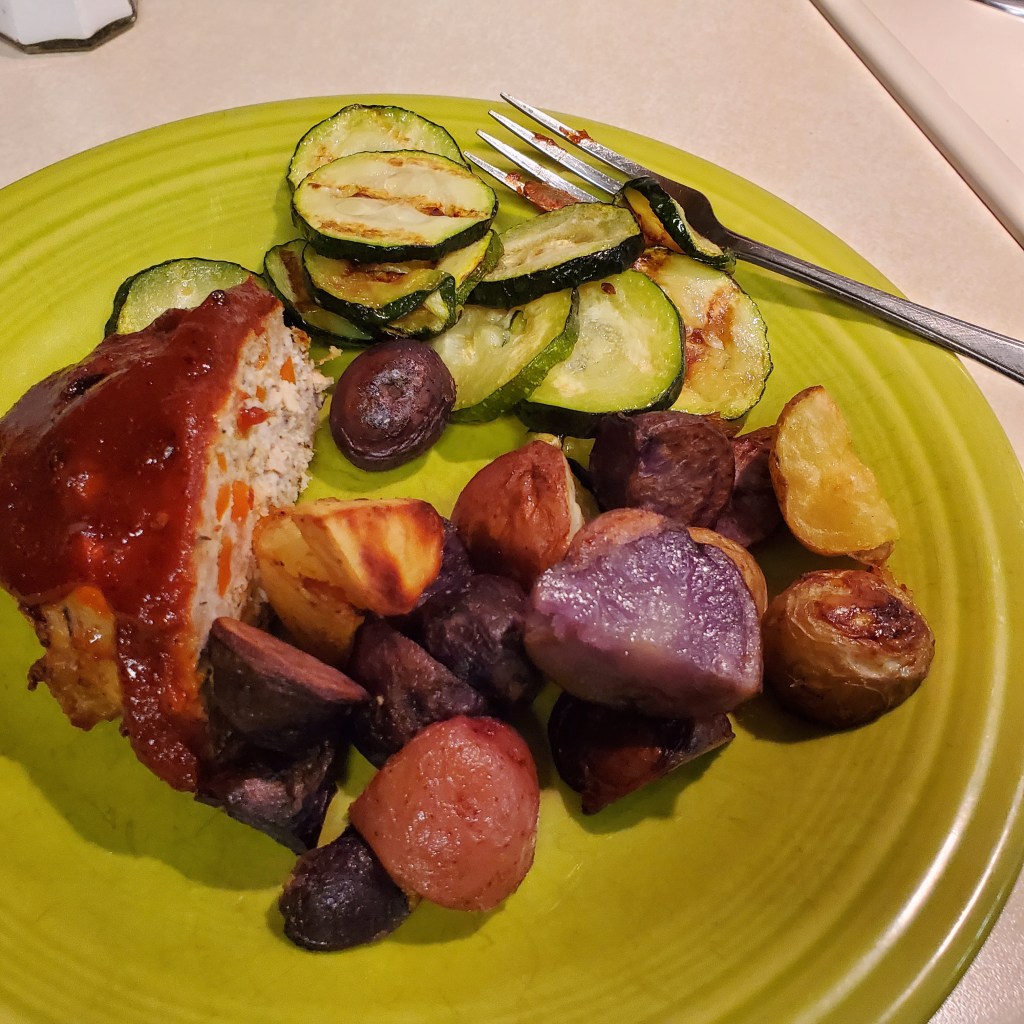
Turkey loaf from an Oprah cookbook. Farmer’s market taters. My first zucchini!
How did I make this great dinner? Well, it helped that I declined a 6 PM meeting that I didn’t really need to be part of. This past weekend being so awesome has really convinced me to Step Away more. We had some serious issues to work through last week, but I’m tired of needing to act like our hair is on fire at all times. I want a 9-5 job.

Killing time at the Fete du Lac des Nations before the fireworks & show. It’s rather a lovely area.
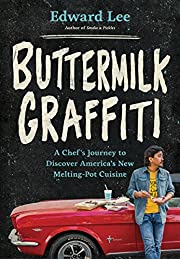
by Edward Lee
Chef Edward Lee travels the country, eats food, and apparently wastes food, as the humongous amounts of food he reports ordering at restaurants cannot possibly be eaten by him. I just can’t believe he eats all that. And he doesn’t bring a traveling companion save in one chapter.
He visits New Orleans, Clarksdale, Montgomery, Indiana, and lots of other places. The chapters generally provide some introduction, some talk about the logistics of travel, interviews with chefs, and eating, and conclusion.
The most memorable was his chapter of visiting Detroit, a city with a large Muslim population, during Ramadan. He decides to try the sunup-to-sundown fasting. Yet he sticks to his plan of visiting restaurants and talking to chefs and ordering a ton of food – and photographing it and talking about it – just not eating it. I was intrigued why someone would torture himself that way. When sundown is moments away, and he orders a big meal at a restaurant that he can actually eat immediately, a fellow faster frowns at him. He tells him he should break his fast with something humble; the fast is about showing solidarity with the poor, so it would be more fitting to order something humble. Besides (here it comes) all that heavy food you just ordered would just make you sick if you ate it right away.
I wasn’t particularly grabbed by any other chapters. Lee seems likeable enough. I couldn’t help comparing it to EAT A PEACH by David Chang, another Korean chef memoirist. But unlike Chang, Lee is not into writing about his restaurants, or even himself, very much. They are very different books.
This is from the weekend prior to this. A random bridge over the Missisquoi. This weekend was too hot for biking, plus I was covering Saturday. But Sunday it was even too hot to play around with mohair washing. I caught up on some valuable resting and made a very healthful dinner.


This was last week’s job; orange & yellow, nobody’s favorite colors! But you need them to round out the display. I hope they taste good, because I’ll be eating them.

A peek at the old homestead, on just an ordinary little walk on an ordinary little day in July; and that this is ordinary is what’s extraordinary.

This photo was taken with the job still in process; but rest assured, the tomatoes are all safely caged now, and will not run rampant through the neighborhood.
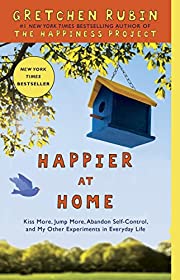
by Gretchen Rubin
A sequel to THE HAPPINESS PROJECT. Gretchen Rubin once again undertakes methodical, highly planned projects, or ‘resolutions’, to increase her levels of happiness. It’s hard for me not to relate to Gretchen, even though she does have kids. She’s a redhead. She twirls her hair. “Whenever possible,” she reads while she eats. She “dislike[s] talking on the phone.” There’s all that damn methodicalness. But maybe best of all, she flat-out refuses to try meditation.
She states up front that this is going to be HER happiness project; what works for her won’t work for everyone, but there’s still value in documenting her own personal journey, which can be a template or jumping-off point for readers whose mileage varies. OK, but she still gets way too deep in the weeds occasionally. I totally skipped the email exchanges with her sister about some collaboration they were going to do – I think it was a young adult mystery book? Why do I need to read all their emails about it? Suffice to say that collaboration was a source of happiness. And this weird project of building a little diorama in their kitchen cupboard also needed editing.
I like how she handles the most common criticisms leveled at her.
Her ultimate mantra, after all, is to be herself. Which isn’t a bad mantra. I wonder if she’s considered meditating on it.