
It’s subtle, and it’s orange, nobody’s favorite color; but it’s really quite lovely.
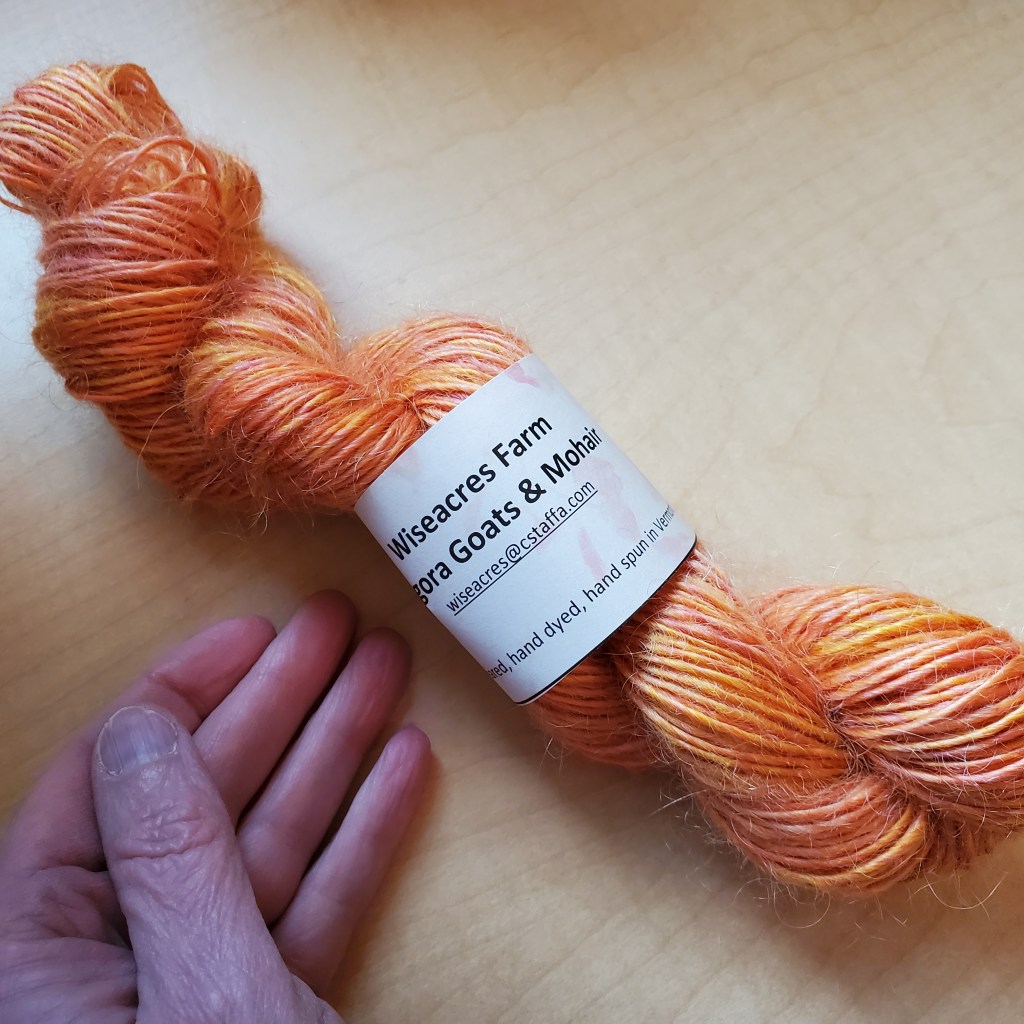
Let’s have it take its place (4th from left)… I’m becoming industrious lately.
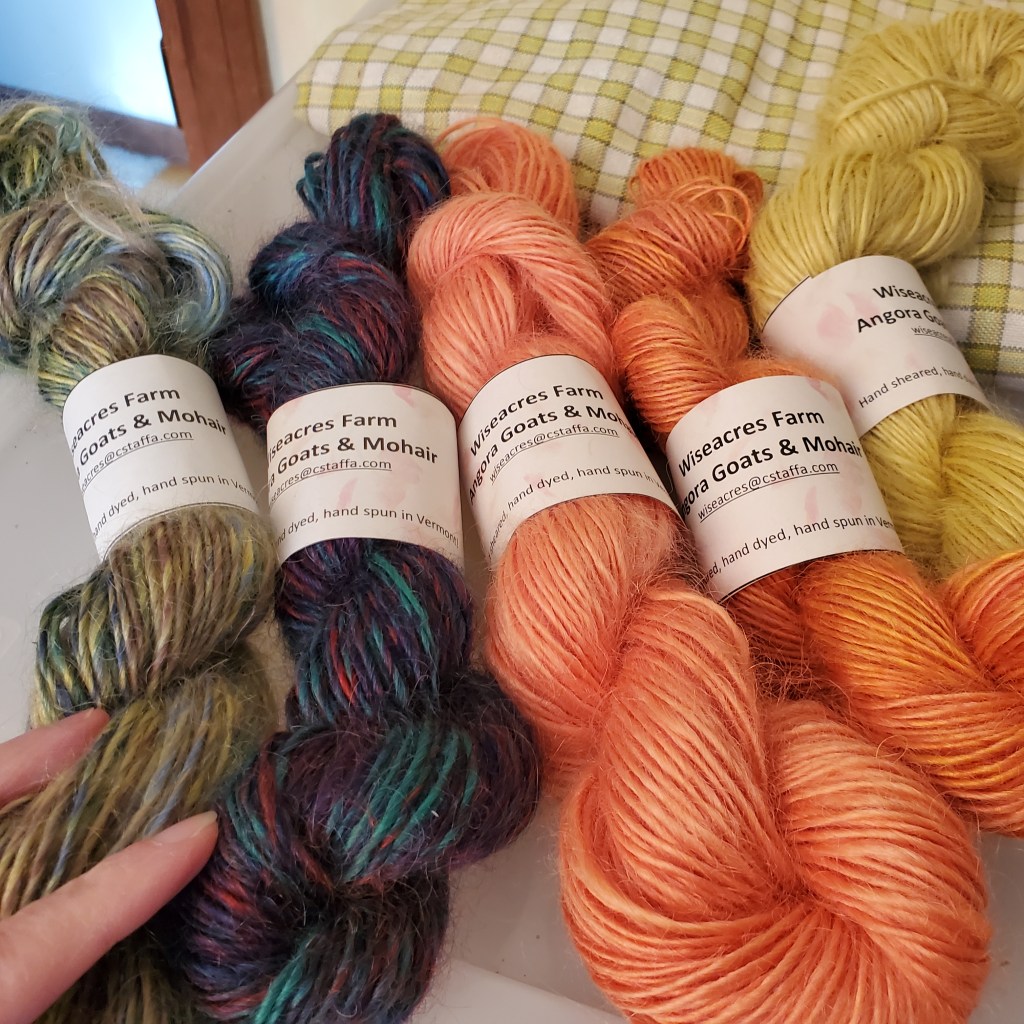
It’s subtle, and it’s orange, nobody’s favorite color; but it’s really quite lovely.
Let’s have it take its place (4th from left)… I’m becoming industrious lately.
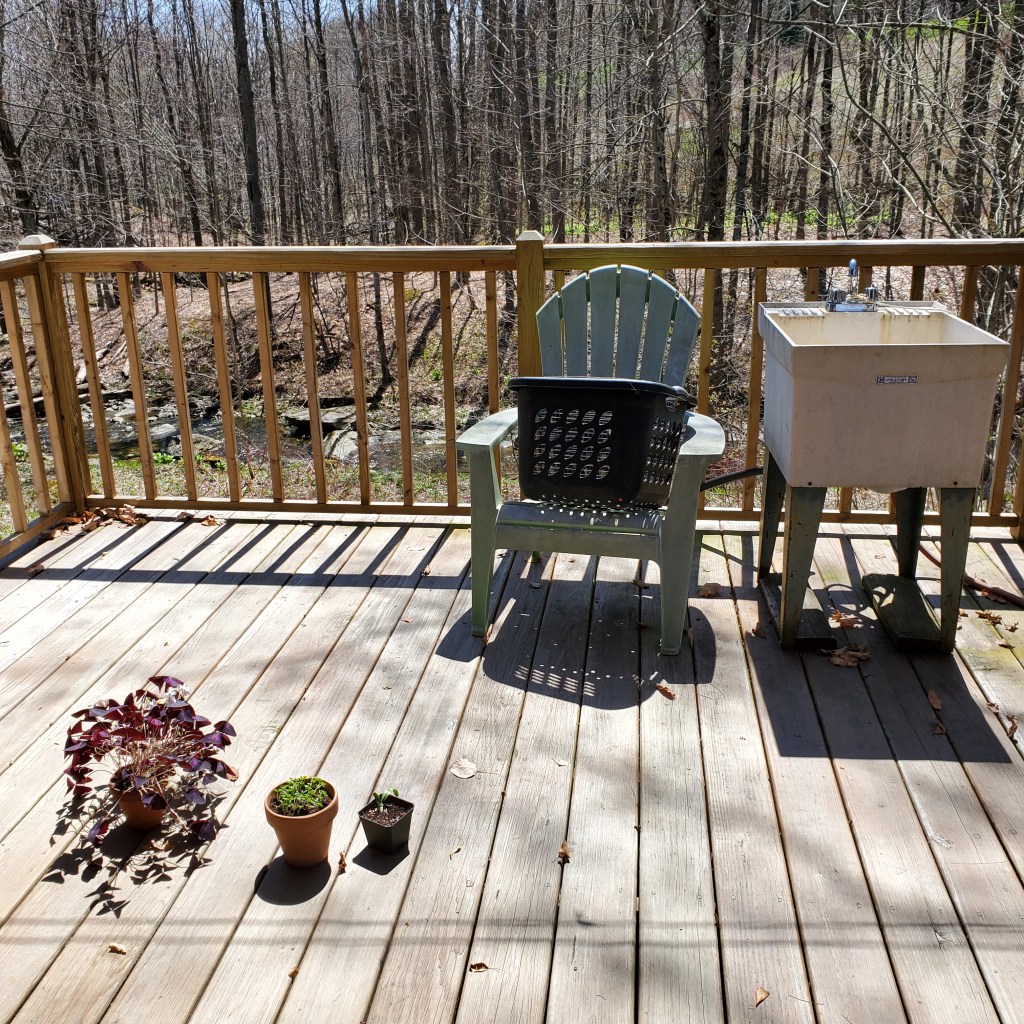
My Util-a-Tub and my mohair washing basket, almost ready for the new season…
Sometimes it can be good to count your antiblessings! Because it’s kind of funny when everything starts piling on! Ha ha! What next!
by Weike Wang
In the middle, it can feel rather depressing. The first-person protagonist, who I believe remains unnamed, had horrible parents, can’t finish her PhD, and can’t commit to the boyfriend who wants to marry her. There’s a quote which I’m afraid I didn’t bookmark, but which I think I got right: “The optimist believes the glass is half full. The pessimist believes it is half empty. The chemist believes it is full, half with liquid and half with gas, both of which are probably poisonous.” That’s the protagonist’s attitude all the way through.
You think she must have redeeming qualities which are not on display, this being written in the first-person depressive. Because why does Eric stay with her? She sounds relentlessly negative. But he is devoted to her; plus, she has a very warm relationship with “the best friend”. This is like the main character of Joan Is OK – she’s an oddball but things don’t quite go where you think they’re going to. These oddballs aren’t total losses. They function and have relationships. They are just human.
I want to shout out that the author has degrees in chemistry and public health as well as an MFA. Yay for scientists writing books!
I highly highly highly highly recommend everyone schedule themselves a Mental Health Day right now. On Mental Health Day, you do whatever the eff you want.
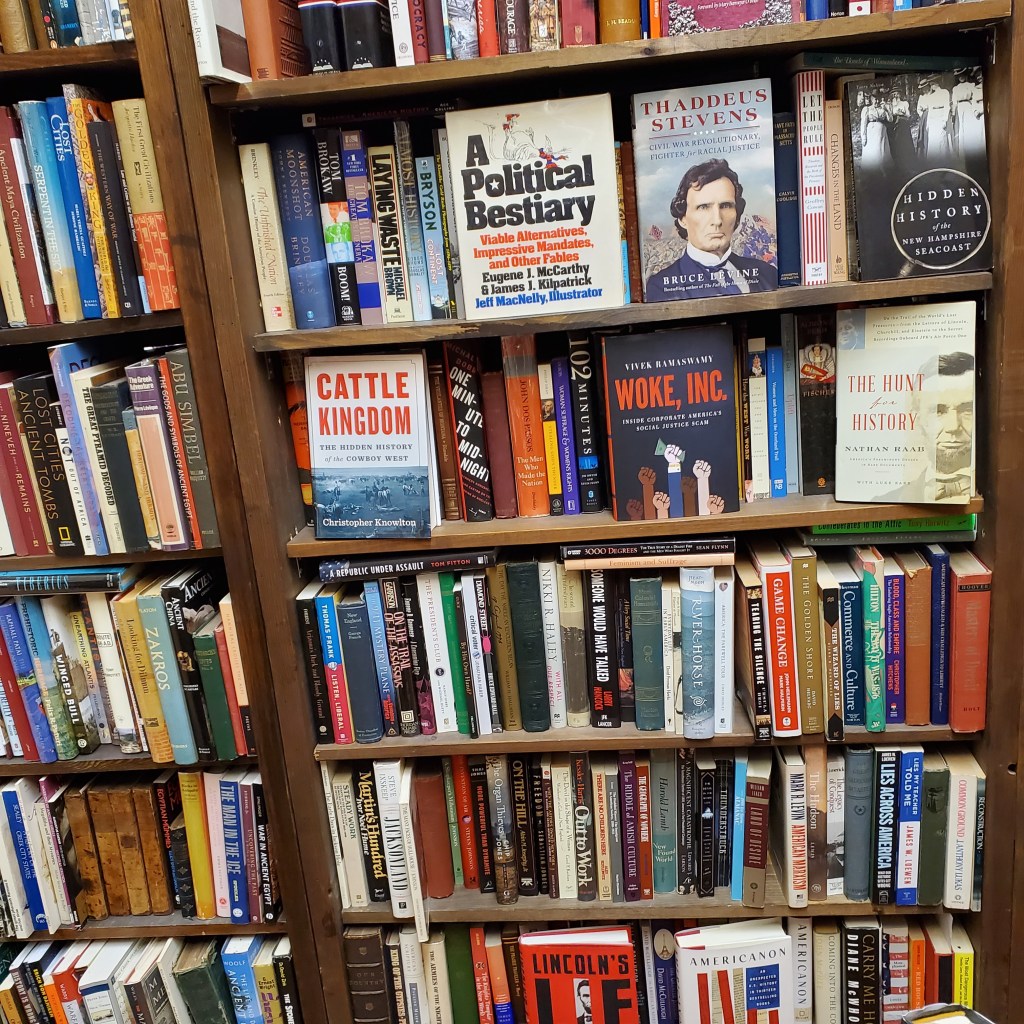
Me, I went used book shopping. Along with whatever the eff else I felt like.
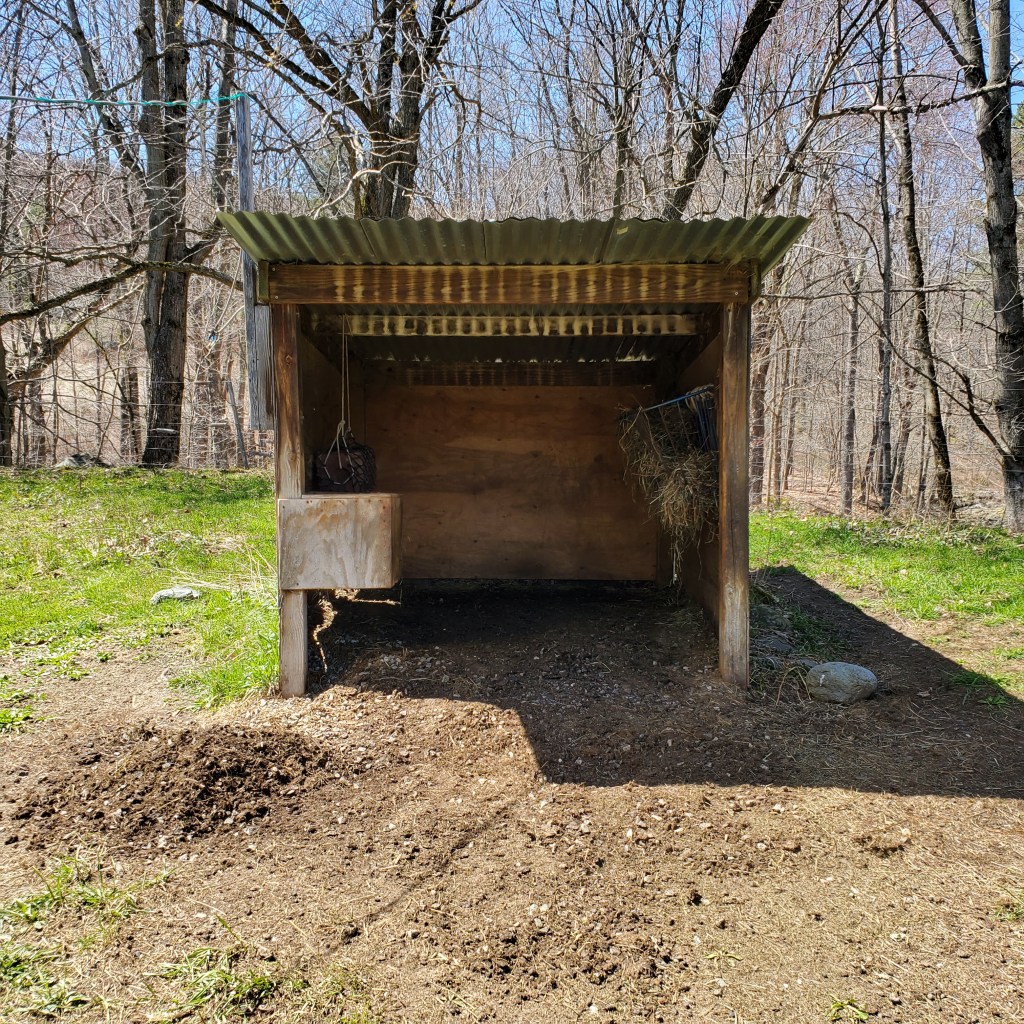
I also unmucked this pretty much by myself. I don’t know exactly why or how I did these things. This was originally so high with wasted hay and muck, Florey was starting to have trouble climbing in & out. Somehow Florey alone managed to generate more waste than Florey plus Milky.
This is the last day of my teetotality experiment. What I learned is that these are the times when I really, really felt the sacrifice:
Less so, but still annoying: Sometimes while cooking dinner. Already happy to be cooking dinner, but want to accentuate it, celebrate, treat myself, and take the edge off my hunger. This though is the kind of mindless filler-drinking I wanted to stop.
Tomorrow I’m having a big beer. Hopefully will drink more mindfully going forward.
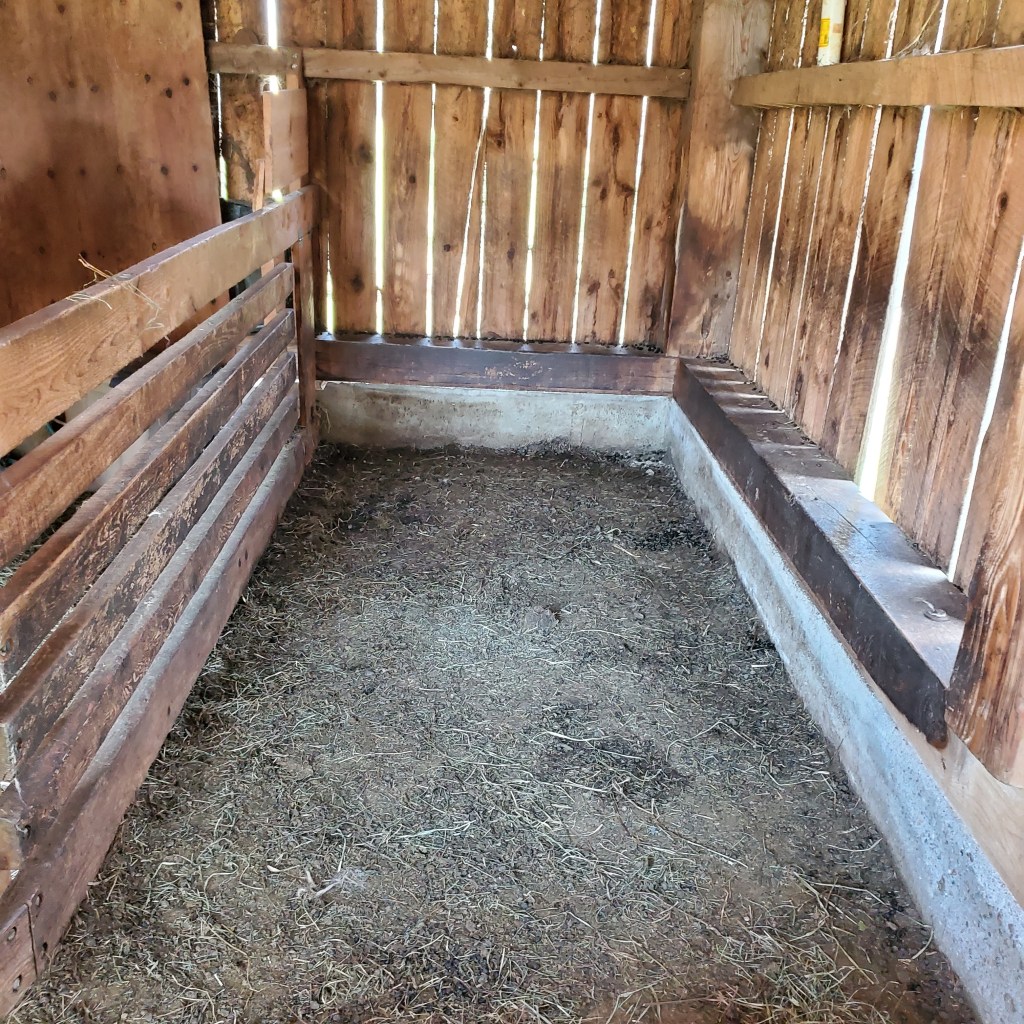
I unmucked this barn all by myself. It was as high as the foundation. Over lunch hours and weekends. You just chip away at it and it gets done. I never did it all by myself before. And most of the time I wasn’t feeling at all well rested. X always says, many of the greatest things in history were done by people who weren’t feeling at all well at the time. Well, here’s one for the books.
I wimped out about adding the dark colors, and now I regret it; all the batts look pretty much the same. Well, we’ll call it ‘subtle’.
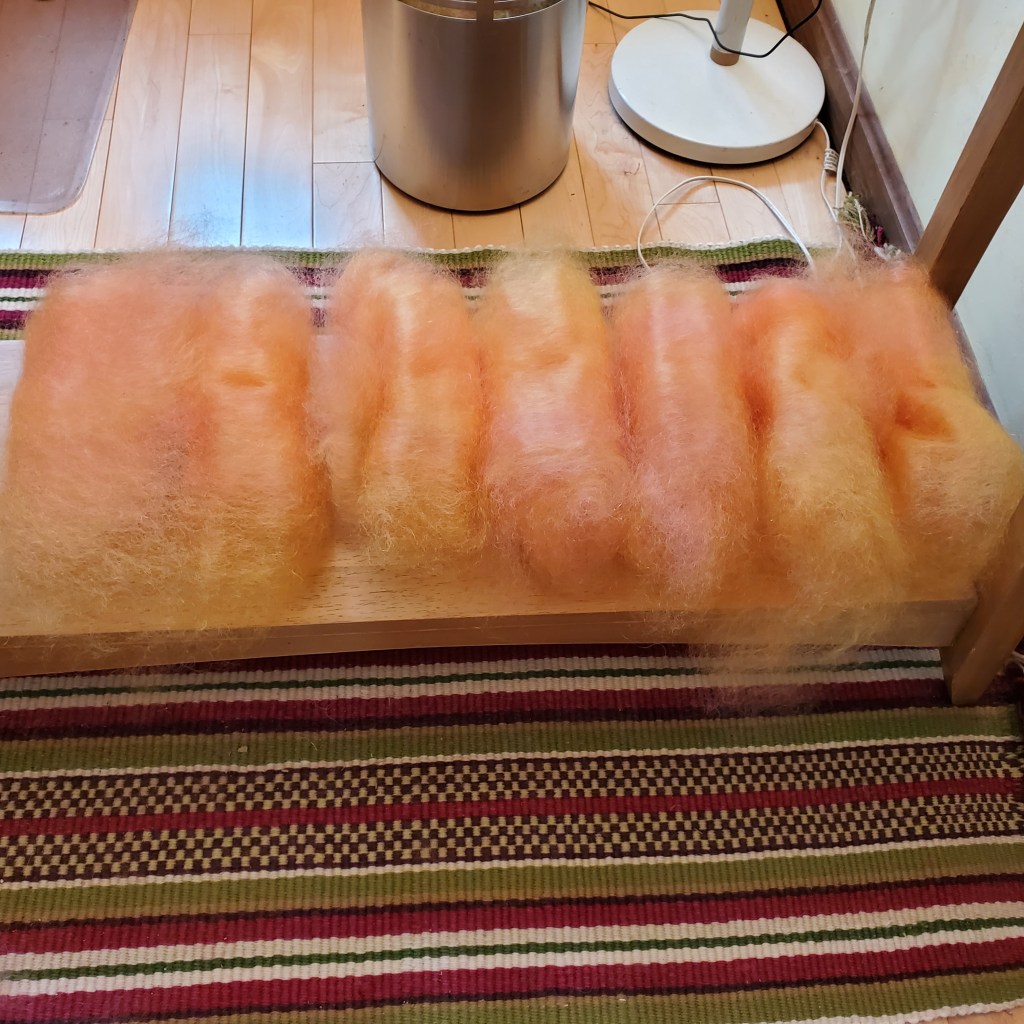
Going to do a blend involving these:

For starters, making a blend of the four lightest colors; this will be the base color.


