Book Corner 2022.7

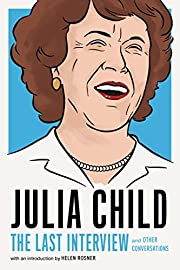
A strange little book. Interviews with Julia Child from 1961, 1984, 1989, 1991, 1999, and then, finally, THE LAST INTERVIEW! of the title from 2004 – which is barely more than a page long. This should have been titled better.

By now we (I) know all about Julia Child; lots of repetitive biographical information could fall by the wayside, but then, the 140-page book would be even thinner. The interviews are vaguely interesting; as Child grows older and starts to hold forth on matters beyond cooking, some unlikability starts to show through. She’s human, after all. She brings up her support for Planned Parenthood and abortion rights, which is laudable; but a comment like “Who wants a baby that is from a crack mother?”, well, not so much. It’s funny back in 1991 to hear her and the interviewer complain about Justice Sandra Day O’Connor, though, and the Supreme Court and the Republicans. O’Connor “has been a zero, hasn’t she”. What we wouldn’t give now to have a Justice O’Connor, and the state of the nation in 1991. Oh well. Bon Appetit!

Book Corner 2022.6

by Amor Towles

Between book club and books people give me as gifts, I’ve read three novels by Amor Towles now, and I don’t even like him. It reminds me of how I’ve seen Elvis Costello at least as many times without particularly liking him either.

At least there were no bratty precocious kids in this one! I even surprised myself by enjoying the first half. I liked the jaunty tone, and I liked following the adventures of the crazy 20-something girls from the boarding house who managed to get so many men to buy them drinks.

But after the first half or so, the story got wacky, and I stopped understanding anyone’s motivation. Also, I feel Amor Towles really does not do Period well; the alleged time period of the story always feels slightly off, though I can usually not put my finger on why. This time I DID catch him in an anachronism – page 227, “he and his brother had hiked the Appalachian Trail for days at a time” in Maine when the character was a boy. The current year is 1938. The Appalachian Trail wasn’t completed until 1937. He couldn’t have hiked it as a boy; not even a proto-trail, as the trail was begun in New York, not Maine. I knew it didn’t feel right.

And Towles’ books are too long, with too many digressions. It’s particularly painful as you’re approaching the end, and realize that yet another long segue is being put in because he felt it was a charming little thing he had to include somewhere, and it doesn’t advance the plot one whit. I’m thinking here of the paper airplane interlude.

It’s such a shame, because Towles really can write well, and has some great ideas; he just doesn’t really know how to write a succinct story without annoyances. It was towards the end that I came across a great quote. I was trying to convey this very thought just recently, but not at all well; here it is:

“In our twenties, when there is still so much time ahead of us, time that seems ample for a hundred indecisions, for a hundred visions and revisions – we draw a card, and we must decide right then and there whether to keep that card and discard the next, or discard the first card and keep the second. And before we know it, the deck has been played out and the decisions we have just made will shape our lives for decades to come.”

A fabulous description of being in one’s twenties.

Book Corner 2022.5

by Elizabeth Currid-Halkett

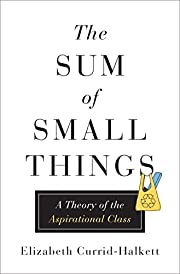
Most of us no longer engage in conspicuous consumption to signal what class we are in. But we do engage in inconspicuous consumption, and conspicuous production, and conspicuous leisure, to achieve the same ends. To briefly define each of these: inconspicuous consumption is spending more on health care, insurance, kids’ educations, and in-home help. Conspicuous production is emphasis on where and how things are produced. Conspicuous leisure might be breastfeeding and attachment parenting.

It’s different from the days when someone used silver cutlery or drove a flashy car to signal how upper-class they were. Now, an NPR tote bag does the same thing, according to the author. It doesn’t signal that we are rich, because anyone on a barista or artist salary can and does afford such a thing; it signals us as members of a particular class, which she dubs the “aspirational class.”

I had a hard time keeping my head wrapped around how “aspirational class” is different from “liberal.” Also, a lot of this book was a big “ouch” for me. But I LIKE buying overpriced organic vegetables, and supporting local businesses wherever possible! I genuinely like it! I’m not just “signaling” something. I like it because… why? I feel somehow it improves the world, right? Do I really have to start shopping at Wal-mart and buying supermarket brands of everything in order to be “genuine”? Won’t that just be signaling a different thing?

Sayeth the author: “Does being different from others, being better than others at acquiring possessions or the perfect heirloom tomatoes, or making the decision and investment to breast-feed or feed your family organic produce really advance society at all?” When we remember that none of these thing are options for huge segments of society who lack the means, we ought to be honest and recognize that to really make the world a better place, we would do better to work towards flattening out the economic inequality around us.

So, ouch, and touche, and point taken. But it still doesn’t mean people sport their farmer’s market produce in public in order to engage in signaling that they are of the ‘aspirational class’. If they (fine, WE!) are signaling anything, it’s that we are on Team Liberal. It does make me uncomfortable. Food for thought.

Book Corner 2022.4

by Barry Estabrook

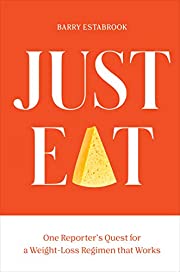
First, the takeaway: “You should lead a diet, not follow one.”

The author is a former editor of Eating Well magazine and a Vermonter (yay). He goes on the Ornish diet, the South Beach diet, the Mediterranean diet, Weight Watchers, and some others. No, not all at the same time, a la Bridget Jones! He eventually does lose and keep off some weight. Here’s what he concludes:

“I will never go on [a diet] again.”

But seriously, the reason is: “You should lead a diet, not follow one. What you eat and how you do so are deeply personal activities, right up there with sex. They’re nobody’s damn business… For me, successful weight loss began when I examined what I ate and how I ate it, then started making changes…”

I will always have a place in my heart for WW; and while doing a post-mortem at book’s end, Estabrook concludes: “Although I dropped out of Weight Watchers after a couple of months, the point-tracking app… made it abundantly clear that I would never lose weight unless I cut way back on how much cheese I snacked on.” WW left me also with life-altering insights and habits. Now I munch on apples & carrots every single day; and for me, it wasn’t cheese, but french fries and pie crust I learned were unsafe in any dose. “The point is,” he continues, “there are useful weight-loss tips between the covers of diet books,” or in a point-tracking app.

Weaving School ’22: End of Day 3

Heddled & Reeded

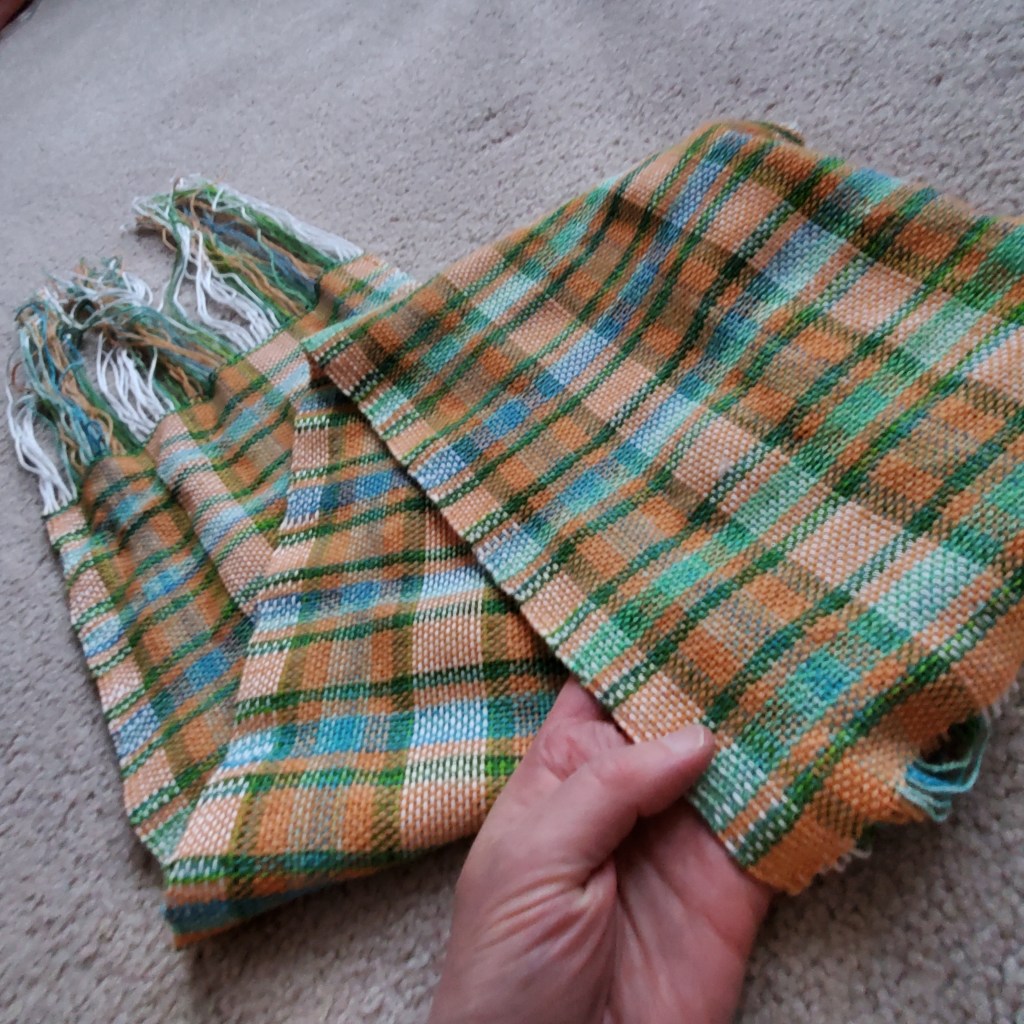
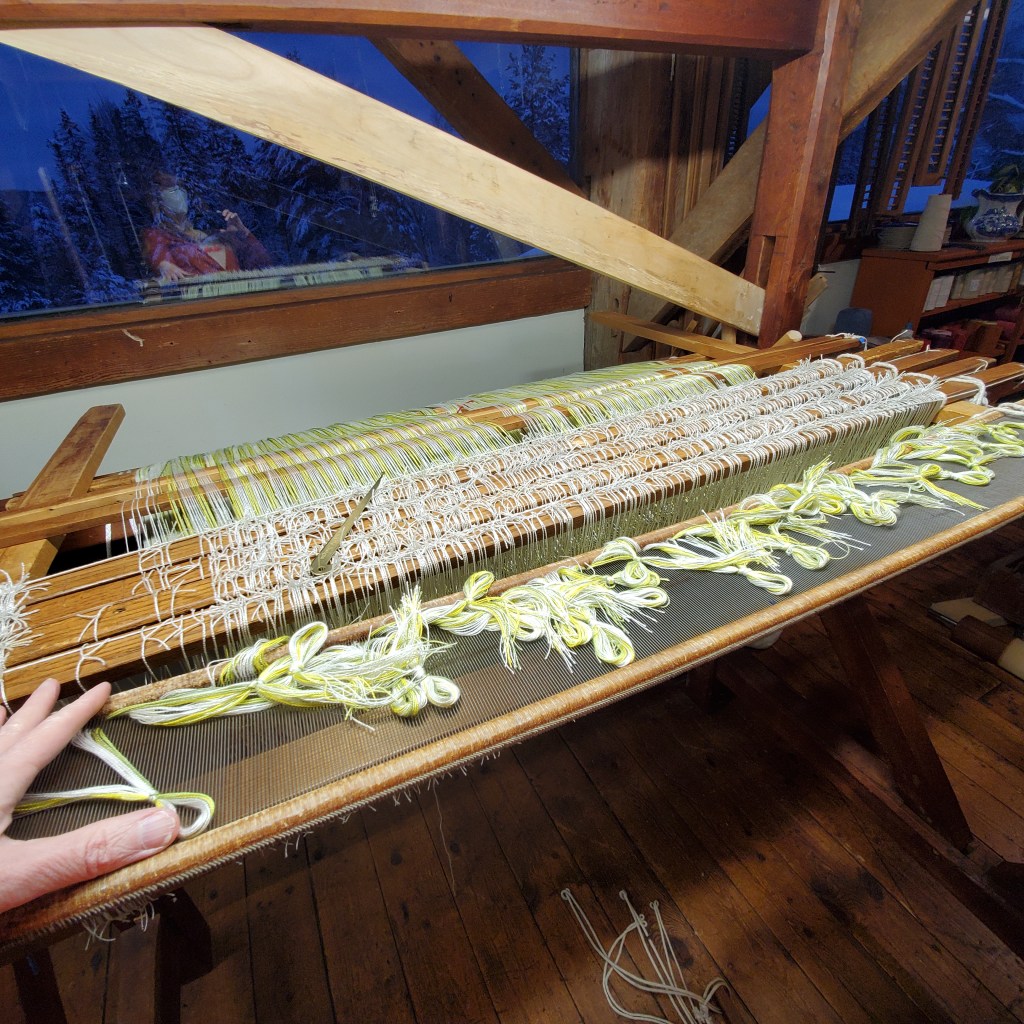
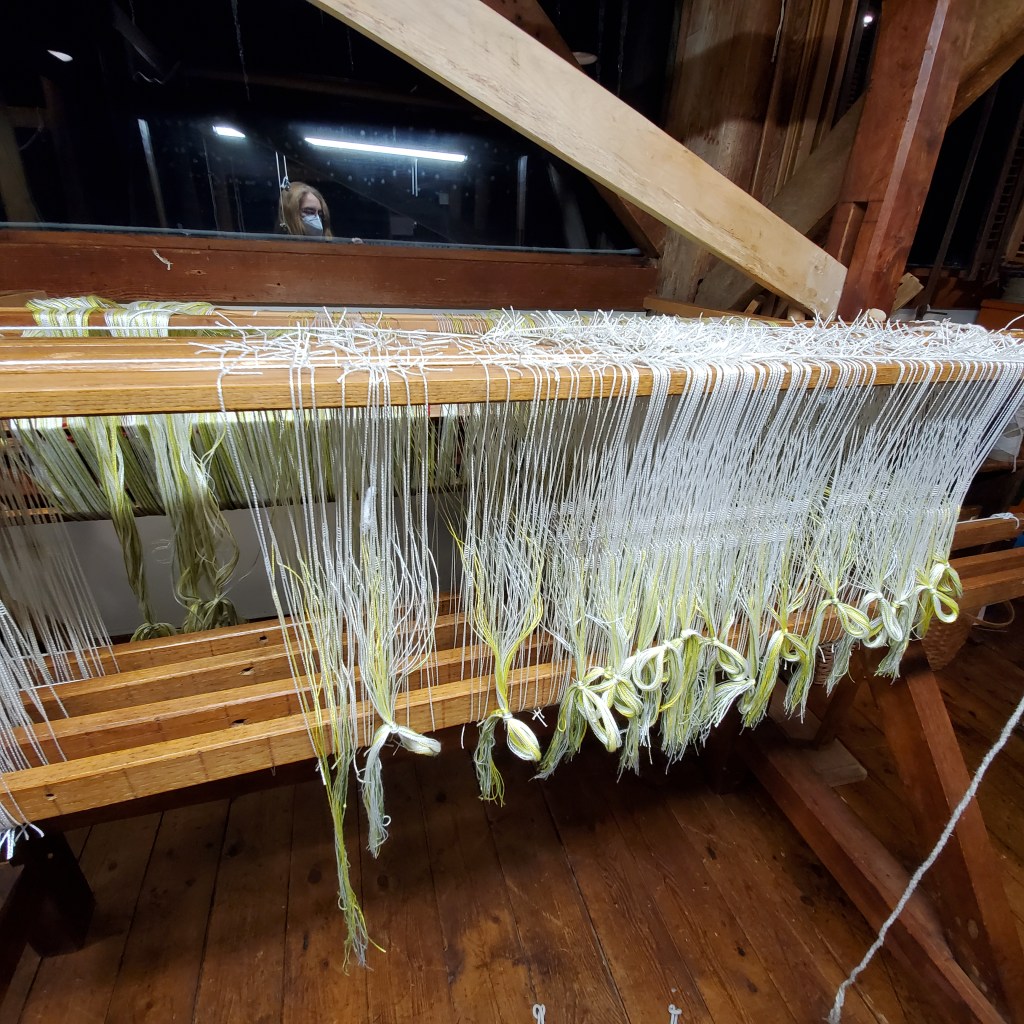
Finished the heddles AND the reed today. The heddles are the white loops; they hang from the harnesses which move up & down, creating the sheds. The reed is what’s lying flat underneath my hand, with all the threads threaded through it and secured loosely with slipknots. Its purpose is to space every thread out perfectly.

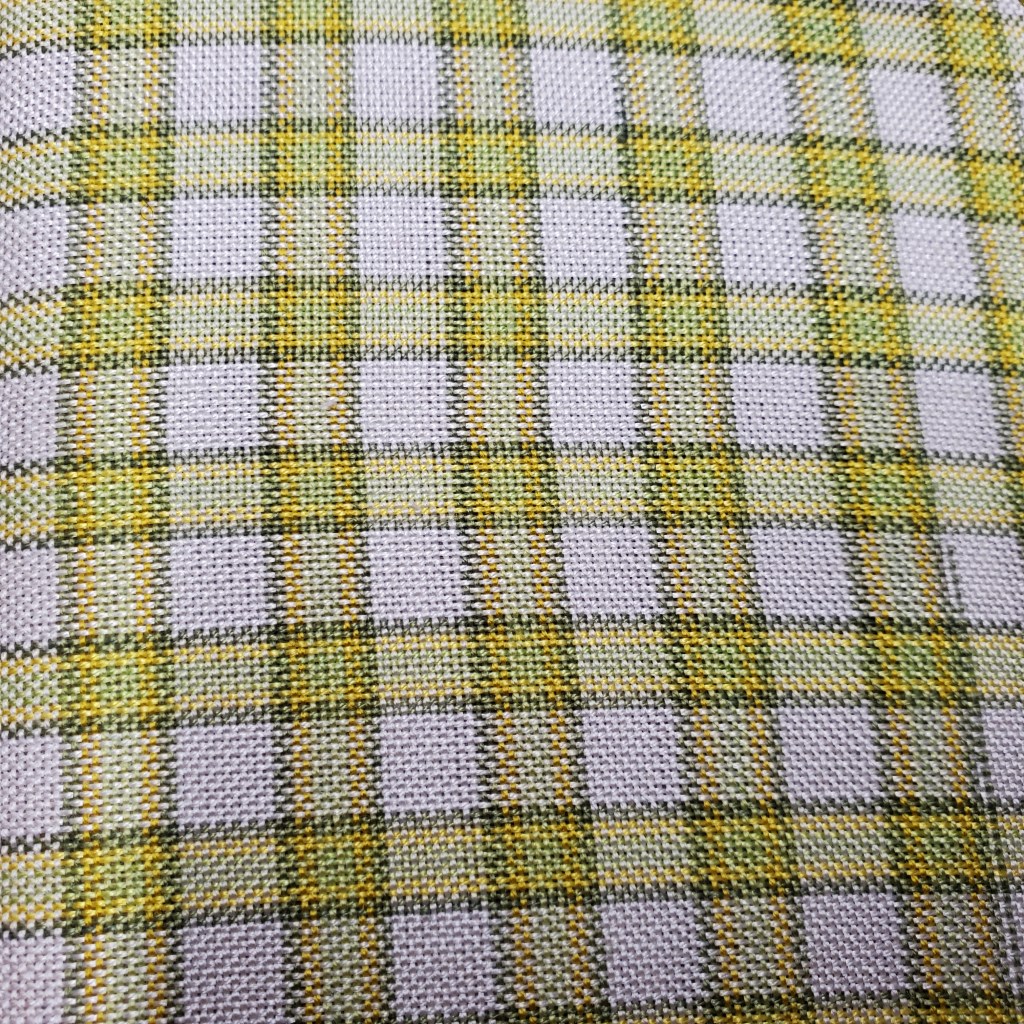
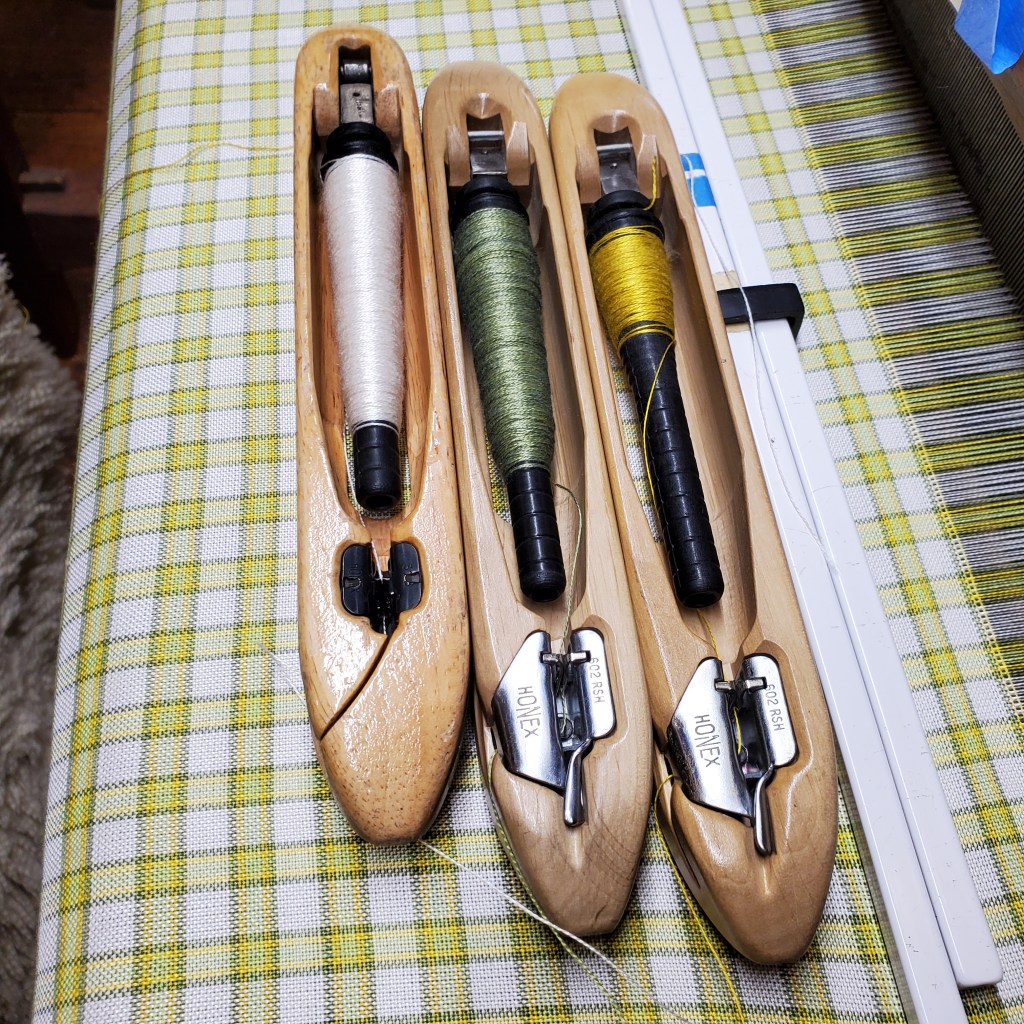
I was planning to weave twill, but I encountered a threading mistake that would have been time consuming to fix properly. We could have adjusted by adding a couple extra white threads and it would have been barely noticeable – one slightly wider white stripe in the check pattern. But I asked if the mistake actually would not even matter if I were doing plain weave, and they agreed; SO, change of plans. I’ll do it in plain weave, which is simple alternating each of the four harnesses up and down; whereas twill involves fancier treadling. I had been a little worried about adding the complication of twill on top of the challenge of properly making the check pattern. I’m always concerned about finishing on time. So it’s for the best.