

Haven’t Seen Bob in a While
by W. Somerset Maugham
This was kind of a silly book. Pity sex goes sour, and we have to dispose of a dead body. I didn’t like spending time with the main character, or any of the other characters either, living or dead. But I did want to see how it would turn out, and it was short and to the point; that should count for something.
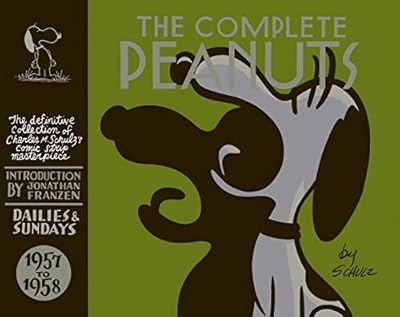
by Charls M. Schulz
1957-1958 – this might be Peak Peanuts. I think it’s Peak Snoopy for sure. He’s still a dog.
If I keep reading every year in order, I may be able to pinpoint the exact moment Snoopy jumps the shark.
by Walter M. Miller Jr.
“We are the centuries… We bury your dead and their reputations. We bury you. We are the centuries.”
This is a classic (1960) post-nuclear-apocalyptic tale that takes the long, long view.
I’m still trying to figure out the ending.
Royal Burgundy Bush Bean
Napoli F1 Carrot
Cosmic Purple Carrot
Optima Lettuce
Habanada Sweet Specialty Pepper
Cinnamon Girl PMR F1 Pumpkin
Sora Radish
Green Machine F1 Summer Squash
Y-Star F1 Summer Squash
Table Sugar F1 Acorn Squash
Green Zebra Tomato
Matt’s Wild Cherry Tomato
Dwarf Jewel Blend Nasturtium
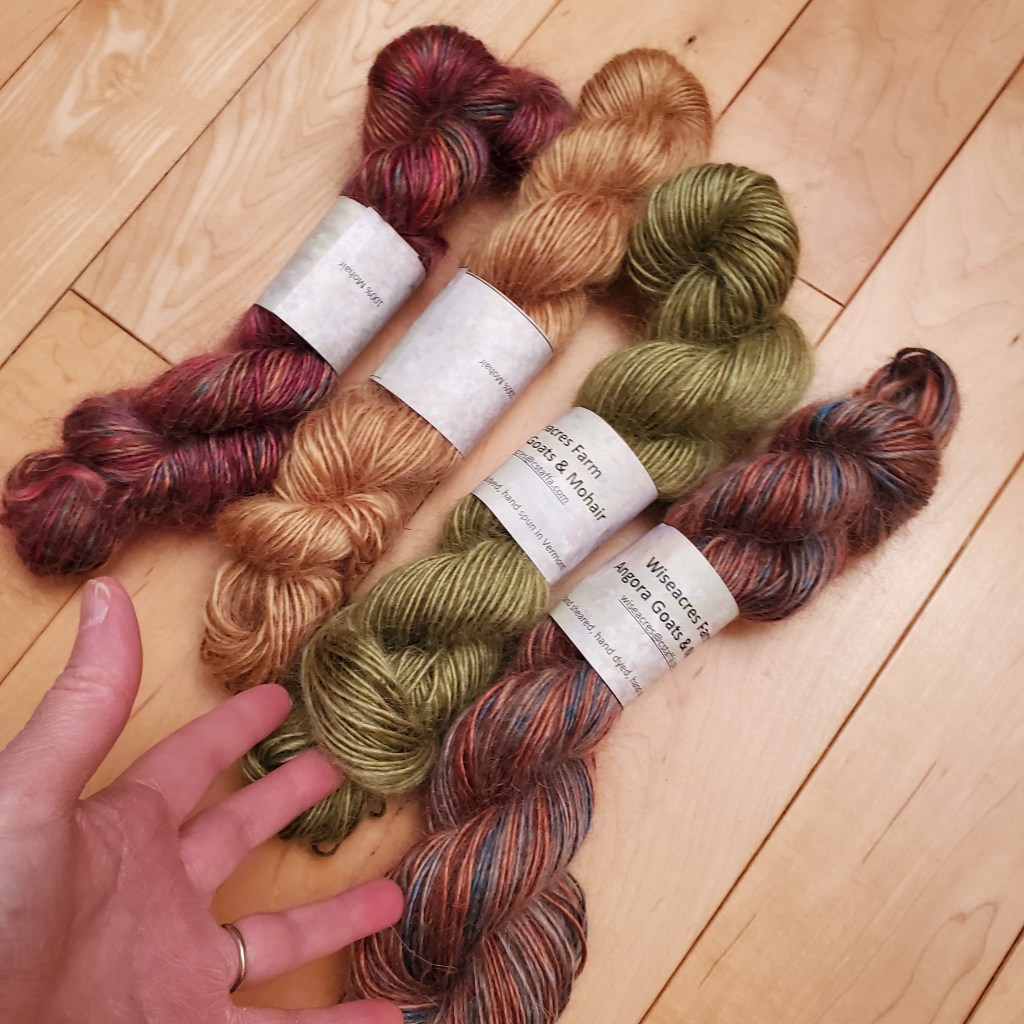
There’s my latest guy on the right.
by Erik Larson
Not really my kind of book (a book club pick). It was hard to follow without zoning out. By page 422, I’m like, “Bomb the fort already!!!”
The indignation of the South at Lincoln’s election & the North’s attitude towards slavery and southerners “way of life”, and their sense of “honor”, reminds me of MAGA folks today. They feel looked down on.
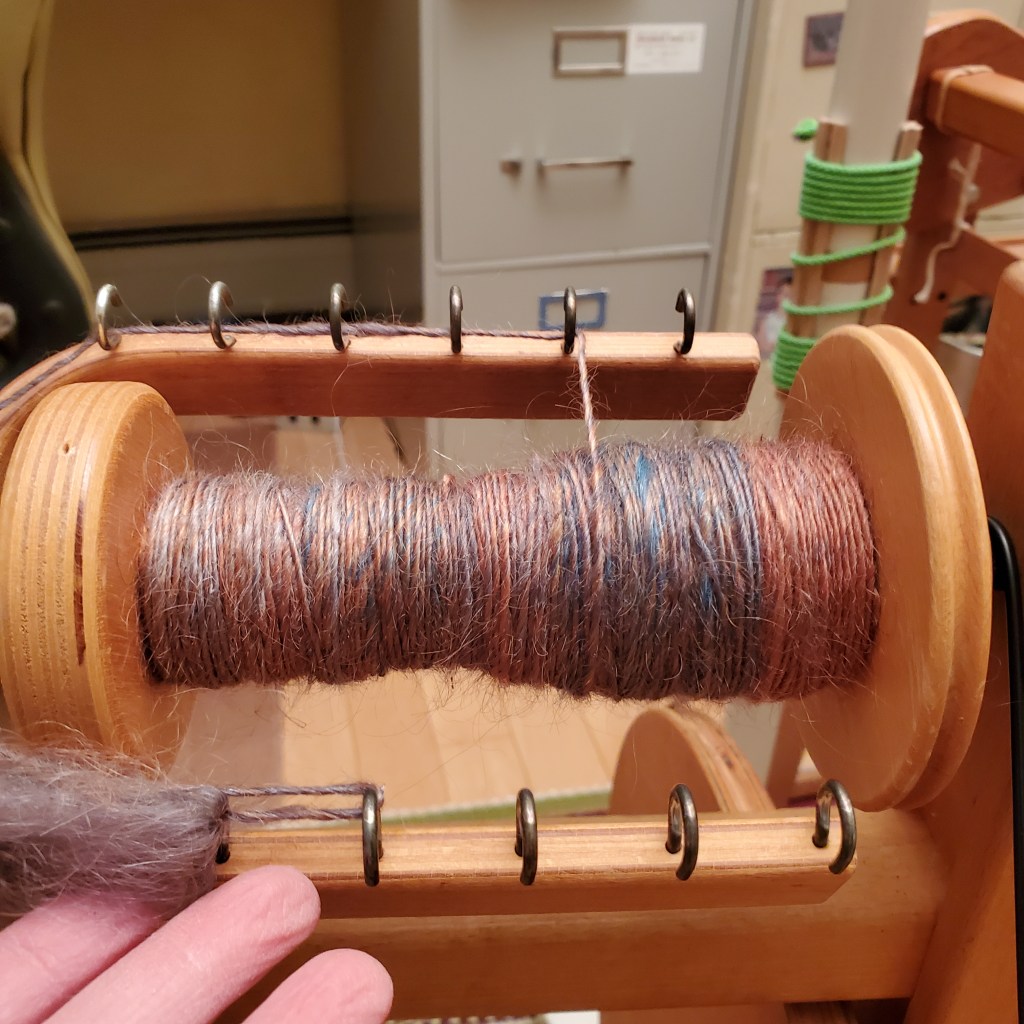
The spinning goes so fast compared to the prep.
by Pamela Smith Hill
Pamela Hill Smith is both a true scholar and a true fan of Laura Ingalls Wilder; here she provides a book-by-book critique of Wilder’s skill as a novelist for kids & young adults (& young adults at heart).
Thoughts:
– Was surprised to learn that the book CADDIE WOODLAWN came out contemporaneously with the Little House series. I hated CADDIE WOODLAWN when I was young! You’d think, being a Little House Nut, I’d devour everything similar about the time period; but to me, Little House was the bible. Little House was HOW IT WAS. Any different experiences were just – “all wrong”, the way Laura felt about her daughter’s novelization of her family’s struggles.
– I didn’t share Hill’s satisfaction with the Little House ending when I was an 11-year-old finishing up the series. I never warmed to Almanzo. I didn’t feel he was good enough for our Laura. When he was first driving her home from the teaching gig, she explicitly didn’t want to go out with him. Then she only started going sledding with him because she was jealous of everyone else out having fun. I never got the sense of her falling in love with him; it just seemed she ended up with him because he was around.
I combined this with a re-reading of The First Four Years, which, I agree with Hill, should never have been marketed as part of the ‘Little House’ series. I’m glad it was published; it’s just different and not part of the set.
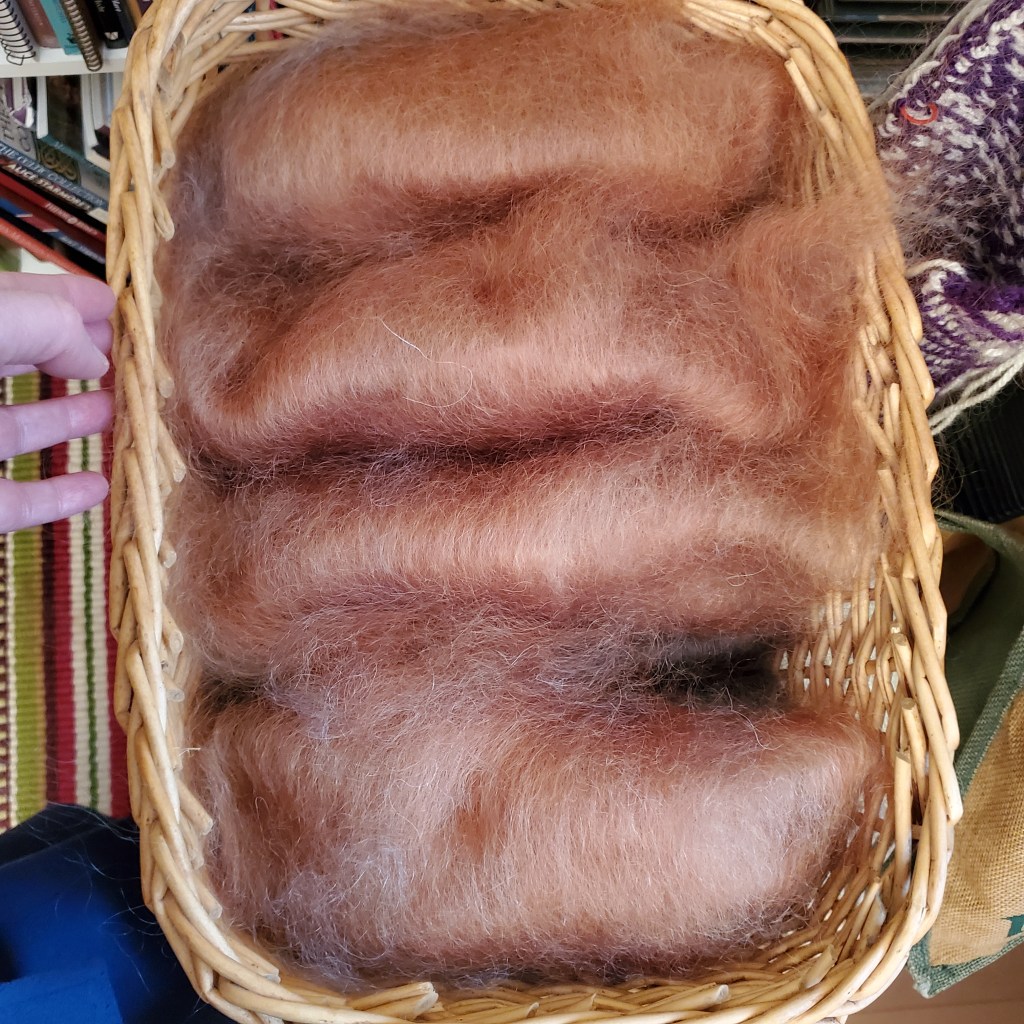
I know it looks more monochrome, but the colors are in there.
 Tytania