by Oliver Burkeman
Can I say that this may be the best book I’ve ever read, and still be taken seriously? Burkeman just nails it. And can I say that by “it,” I mean “what it means to be human,” without totally losing you? What it means to have human neuroses – what if I put it that way? To always be looking toward the future. To always be failing when we deliberately try to be in the moment. To always feel too “busy.” To always be thinking that somehow, someday, we’ll get on top of everything, stop having problems, live in nirvana.
I’m not sure I can really do justice to this book in a review I write in one sitting; I have a feeling I’m going to be revisiting it many times, always finding more and more I feel compelled to share.
And an amazing thing about this book is that I feel it helps me understand my husband better. I feel that if I forced him to sit down and read this book, his reaction – after boiling with frustration that I was keeping him away from his internet memes – would be “Well, yeah.” The stuff that Burkeman “gets”, Xopher already “gets,” and somehow has managed to “get” for all these years I’ve known him. Now maybe I’m starting to “get” it too.
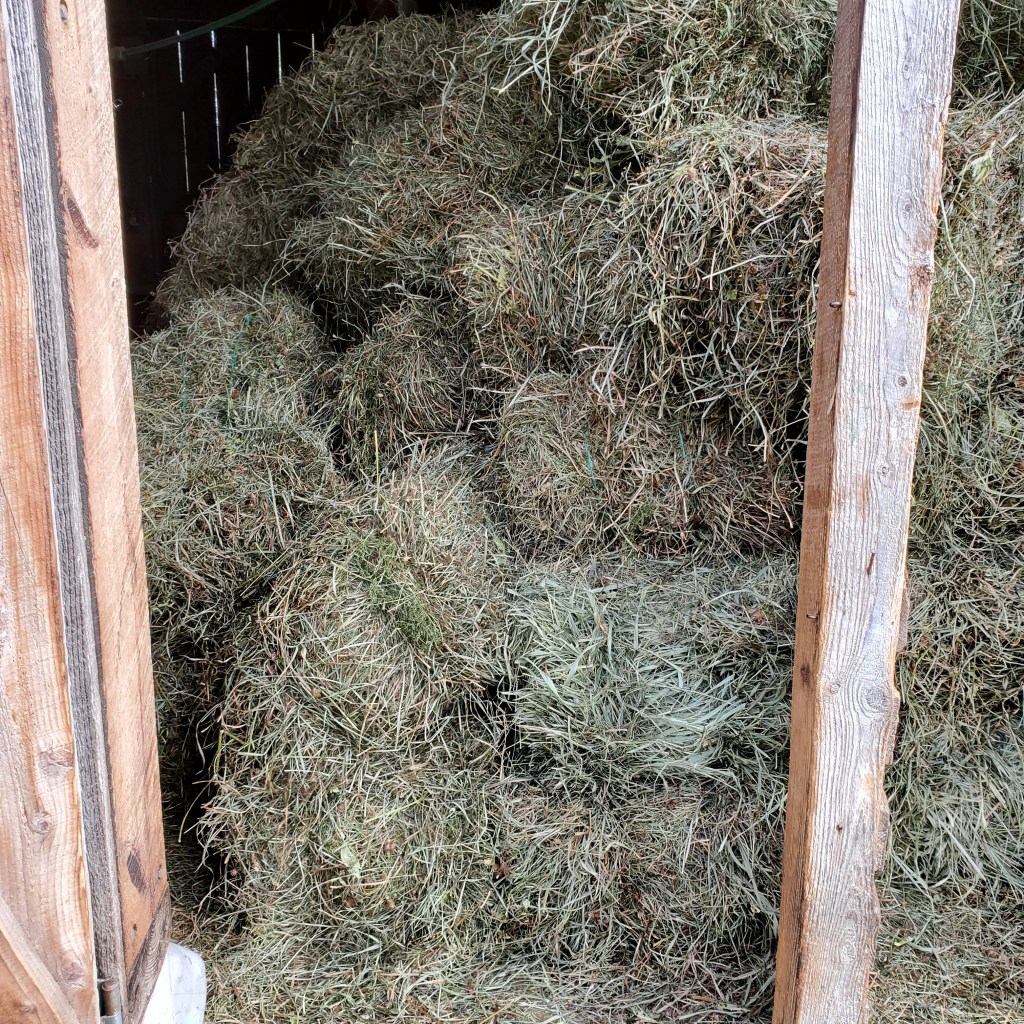
a) Xopher refuses to engage in plans for the future. I mean, yeah, he did call to try to order hay a few days (but only a few days) ahead of the weekend we hoped to put it up for the winter. When holidays are rolling around, yeah, he will make plane reservations to see his folks. But those are aberrations. In general he won’t plan a thing he doesn’t absolutely have to. More frustration for me, I cannot engage him in discussing any plan more than 24 hours away. He will simply sit there in a non-plussed attitude (even more than usual), and if he offers anything, it will be a reminder that “We don’t know what the weather might be” or something like that. What frustrates me is my resulting daydreams about “normal” couples – couples who, over dinner or washing the dishes, might idly chat about, oh, I don’t know, what they might do over the coming weekend, or places they might like to go on vacation next year. Nope, not happening.
I have pressed him about this, and he once offered this explanation: “Anything good that ever happened in my life happened without me planning it.” Yeah, I grumbled, probably because *I* planned it.
But seriously. Burkeman is on Team Xopher: “Whatever you value most about your life can always be traced back to some jumble of chance occurrences you couldn’t possibly have planned for.” Burkeman says that the planners are trying to exert control over the future, an impossible task. The future is just not something you can order around that way. It can’t be done, and only makes you anxious.
b) Xopher has always admired people who undertake big, grand, thoroughly pointless projects. Huge works of art or devices that serve no purpose. I thought he was just admiring people who had drive and ambition to do something big, when he can’t even get himself to put the finished trim around the bathroom window we installed back in 2004. But maybe it’s that he gets the value of pursuing “atelic” activities – those done for their own sake, with no goal. “Hobbies,” we used to call them, though a wonderful little sub-chapter expounds upon how we now find that word a little embarrassing. “In an age of instrumentalization, the hobbyist is a subversive: he insists that some things are worth doing for themselves alone, despite offering no payoffs of productivity or profit.” And this also helps explain why so many people take to etsy – makes their hobbies seem less embarrassing if they can be reframed as a “side hustle,” pursued for profit. And I love the celebration of hobbies as being, by design, something we are often not particularly good at. If you pursue something while being utterly crappy at it, that really proves its uselessness and hence your true love for the pursuit. OK, I just like consolation that it’s OK that I suck at so many of the things I do.
c) Xopher exudes cynicism, depression, and downright being a downer. It’s true that Xopher does actually suffer from official depression; but sometimes he is such a cynic and downer it takes me aback. Well, apparently, there is a relief in giving up hope. “Seeing that things aren’t going to be okay. Indeed – they’re already not okay.” The result is apparently not despair. The words Burkeman uses are relief, motivation, possible, joyful. Maybe I’ll get there.
Or not! But there will be more and more quotes and concepts to share in the days ahead.



 Tytania