
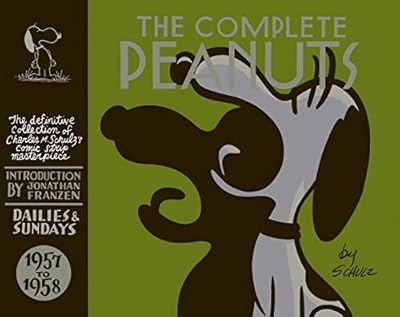
by Charls M. Schulz
1957-1958 – this might be Peak Peanuts. I think it’s Peak Snoopy for sure. He’s still a dog.
If I keep reading every year in order, I may be able to pinpoint the exact moment Snoopy jumps the shark.
by Charls M. Schulz
1957-1958 – this might be Peak Peanuts. I think it’s Peak Snoopy for sure. He’s still a dog.
If I keep reading every year in order, I may be able to pinpoint the exact moment Snoopy jumps the shark.
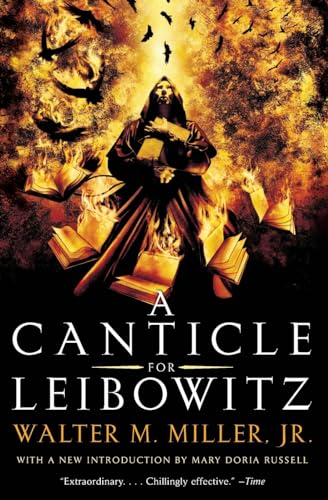
by Walter M. Miller Jr.
“We are the centuries… We bury your dead and their reputations. We bury you. We are the centuries.”
This is a classic (1960) post-nuclear-apocalyptic tale that takes the long, long view.
I’m still trying to figure out the ending.
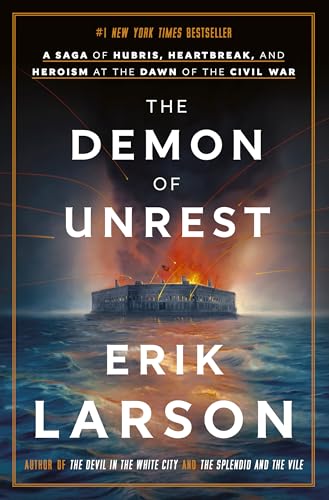
by Erik Larson
Not really my kind of book (a book club pick). It was hard to follow without zoning out. By page 422, I’m like, “Bomb the fort already!!!”
The indignation of the South at Lincoln’s election & the North’s attitude towards slavery and southerners “way of life”, and their sense of “honor”, reminds me of MAGA folks today. They feel looked down on.
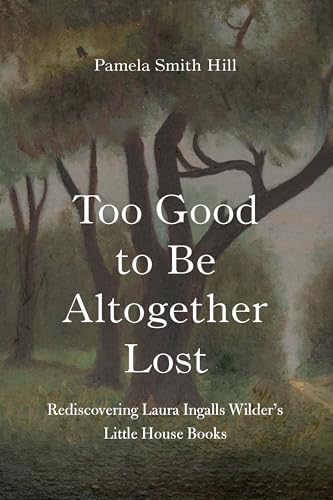
by Pamela Smith Hill
Pamela Hill Smith is both a true scholar and a true fan of Laura Ingalls Wilder; here she provides a book-by-book critique of Wilder’s skill as a novelist for kids & young adults (& young adults at heart).
Thoughts:
– Was surprised to learn that the book CADDIE WOODLAWN came out contemporaneously with the Little House series. I hated CADDIE WOODLAWN when I was young! You’d think, being a Little House Nut, I’d devour everything similar about the time period; but to me, Little House was the bible. Little House was HOW IT WAS. Any different experiences were just – “all wrong”, the way Laura felt about her daughter’s novelization of her family’s struggles.
– I didn’t share Hill’s satisfaction with the Little House ending when I was an 11-year-old finishing up the series. I never warmed to Almanzo. I didn’t feel he was good enough for our Laura. When he was first driving her home from the teaching gig, she explicitly didn’t want to go out with him. Then she only started going sledding with him because she was jealous of everyone else out having fun. I never got the sense of her falling in love with him; it just seemed she ended up with him because he was around.
I combined this with a re-reading of The First Four Years, which, I agree with Hill, should never have been marketed as part of the ‘Little House’ series. I’m glad it was published; it’s just different and not part of the set.
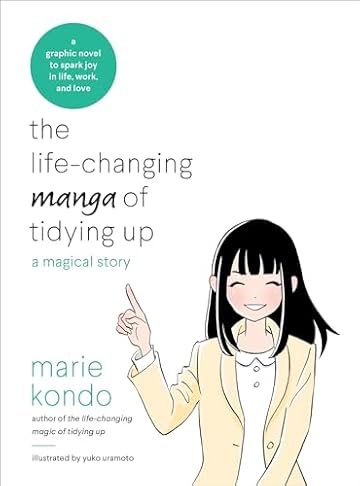
by Marie Kondo and Yuko Uramoto
It’s the life-changing magic of tidying up – in manga form!!! Adorable manga-fairy Marie Kondo helps the protagonist tidy according to the KonMarie method. Organize by category! Not by room! Storage is not the answer! You must discard! Thank all your possessions before letting them go. Keep your remaining possessions tidy so they can be happy and ready to serve you!
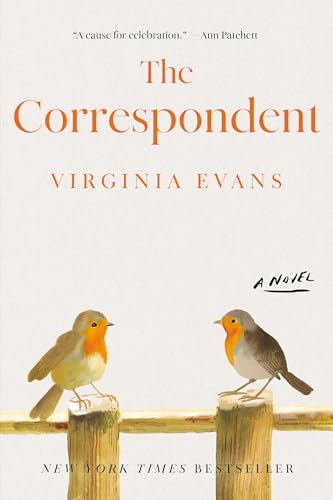
by Virginia Evans
It was gripping. SPOILERS IN THIS REVIEW.
I enjoyed the twists & turns, particularly in the middle of the book, where I felt Sybil may actually be becoming a bit unhinged and possibly an unreliable narrator. Her illusion that some customer service representative she exchanged email with was a personal relationship, her near-stalking of a college English department that didn’t allow auditing of courses – she was apparently quite a loony.
But alas I was wrong. She becomes BUDDIES with the head of the college English department and the random customer service representative (who commits a tremendous breach of law and propriety by divulging the personal address of someone who had deactivated her account with his former employer!!!). We were deep into the fairy realm of what I’m starting to call Storybookland – when a work of fiction becomes so invested in its own unlikely narrative as to leave this planet entirely.
OK, but as far as Storybookland novels go, this is one of the better ones.
Personal resonations that I cannot help but disclose –
– Adoption, ambivalence about resolving biofamily identity
– Older gay brother
– Preference for dealing with people via writing rather than voice
– Feeling like a fraud
The biofamily resolution was a little bit Storybookland, too, but not as bad as most. It’s a little bit ironic that Sybil praises Larry McMurtry for letting his characters suffer and not find peace and resolution. Yet Sybil’s loose ends are all quite tied up, aren’t they.
I only read 48 books in 2025. This is low. There were some long ones, and about the usual number of abandonments. There were some fun novels, but none I think I’ll remember forever. For non-fiction, I came off 2024 having finished The Master & His Emissary which spun my head around; this year I followed it with McGilchrist’s humongous The Matter with Things which did the same to my soul. It has intensely changed the way I think about music, God, nature, and … things.
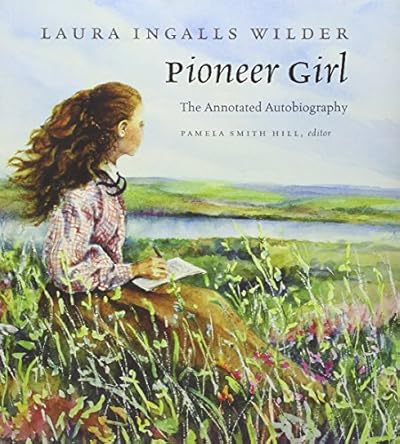
The Annotated Autobiography – Laura Ingalls Wilder, edited by Pamela Smith Hill (re-read)
I decided to give this a re-read after re-reading Little House on the Prairie which I decided to re-read after wanting to remind myself about the depiction of Native Americans. So after Little House I wanted to remind myself what years Laura actually lived in Indian Territory – I had remembered it being at something like age 2, which made me wonder how she could write such vivid memories of the experience, or any memories at all. Turns out she was there from age 2 up to age 4 or 5 – age when memories can definitely be recollected, especially when probably reinforced by other family members later in life.
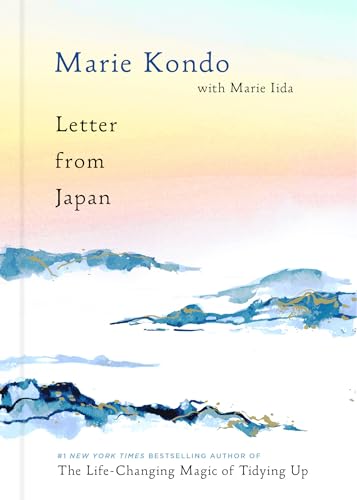
by Marie Kondo
Marie Kondo is truly a hero to me. She was a shy young Japanese woman, afraid of speaking in public, when she was catapulted to fame and the top of the best-seller list; yet she believed so thoroughly in the life-changing magic of “tidying”, she traveled the world and moved to America to spread her message. For Kondo, this is not about organizing or merely discarding; it’s spiritual, and about respect for all the world, inanimate as well as animate creation. This book is about those aspects of Japanese culture that inform her mindset.
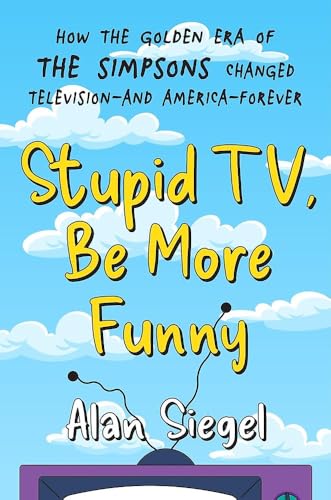
by Alan Siegel
It’s about the SIMPSONS, but more than that, about the SIMPSONS’ golden era – the early to mid-90s. Because IT STOPPED BEING GOOD after that, people. Worst. Downfall. Ever.
But the SIMPSONS through most of the 90s was just awe-inspiring. I remember calling it “God”, which was ludicrous, but I remember distinctly actually saying that.
It was impactful. It was meaningful. It was really moving.
Yet this book… wasn’t that great. It was about the writers, and it was hard to keep track of all the different writers; I wasn’t made to care about them or even really like them much.
Stupid book!! Be more better!!
 Tytania