
I can’t tell you how good it feels to be free of illness AND fully restored to mobility. I can bend every which way. I can carry weights upstairs. I have neither a splitting headache nor the urge to go back to bed. And perhaps not incidentally I am totally kicking it at work. I feel GREAT!
Author: christinestaffa
My life's journey has taken me from the streets of New York, up the Hudson Valley, to a little goat farm under Vermont's highest mountain.
Book Corner 2023.9
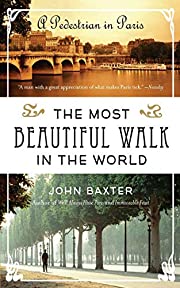
by John Baxter
Better than I thought it was going to be; because I thought it was going to be, “OMG, Paris is so freaking beautiful, this is beautiful, that’s beautiful, OMG Paris is so beautiful.” Yawn! It wasn’t that. It bounced around severely. It was kind of tied together by the author’s recounting of how he stumbled into a job giving walking tours of Paris; and some of the fun things he includes on his tours. I liked that all the chapters were super-short. I liked the amount of himself he put into the book – enough so you aren’t wondering who in the world is speaking to you; but not so much that it’s a Me-Me-Me book, which is also boring. Altogether, you’d think that I’d love it. Ultimately, though I hate to sound like an ugly American or a jaded snob, I went to Paris once and I wasn’t all that crazy about it. I prefer Italy.
For the Darker Purple
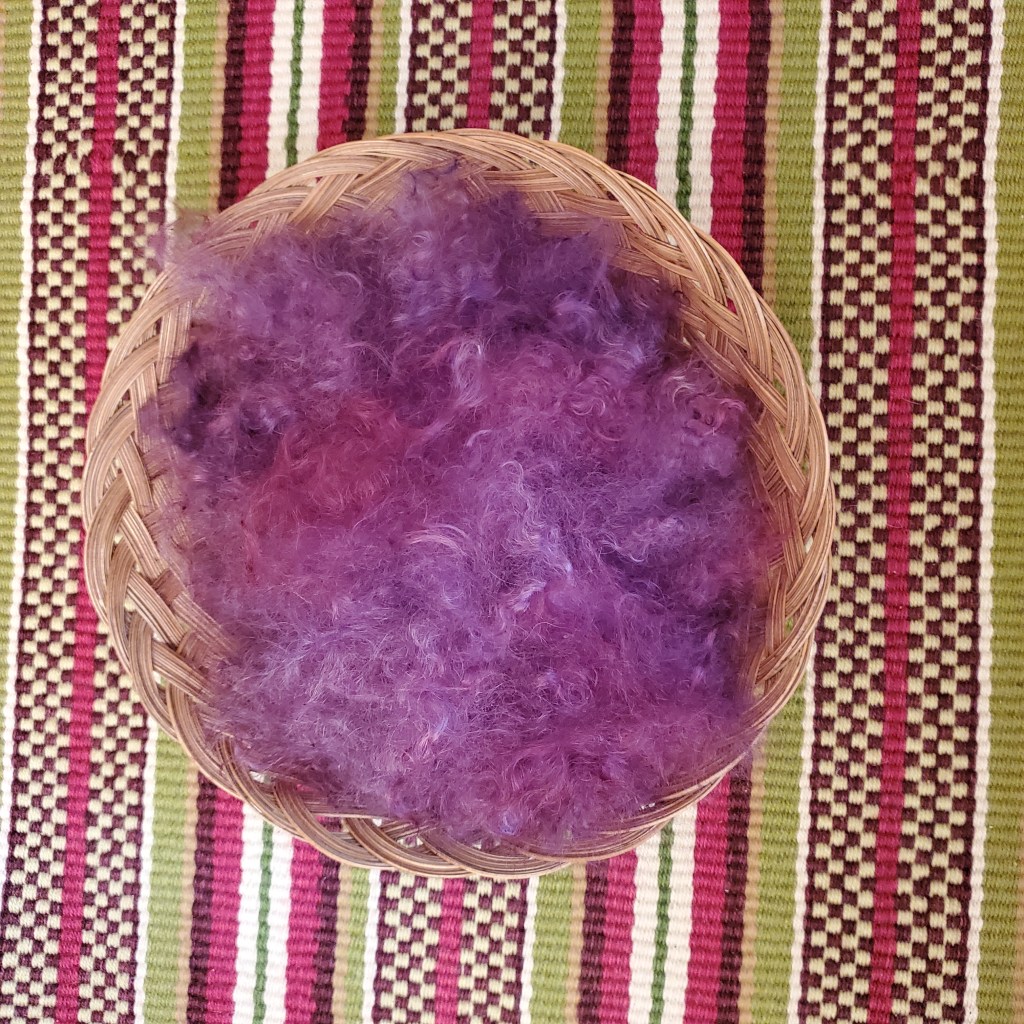
Hmmm, should be darker.
This was done while listening to the Stones’ excellent 1995 Stripped album.
Experienced the afternoon crash again.
Shiny
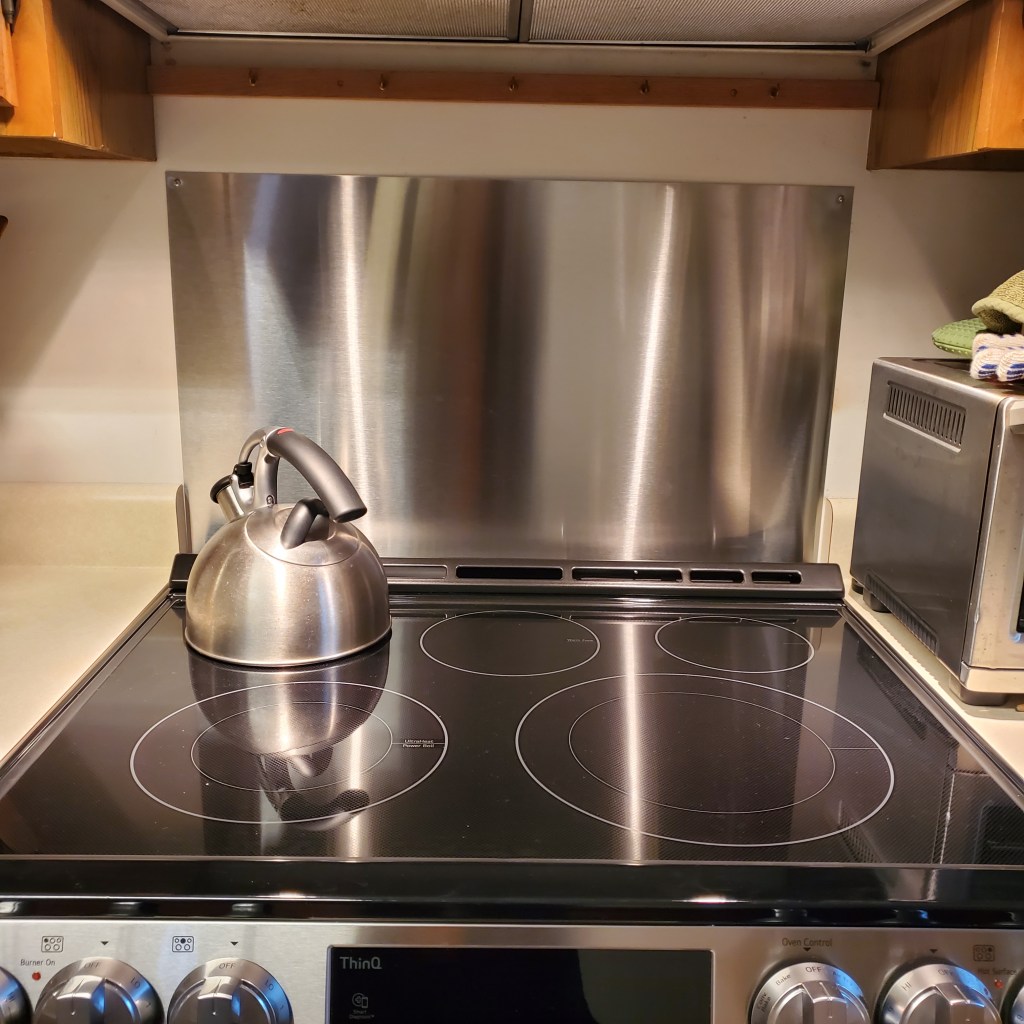
Xopher finally put up the stainless backsplash today!
Yesterday I started feeling exhausted around 11 AM – today I made it to about 4 PM – keep on keepin’ on.
Reporting from Covid Jail
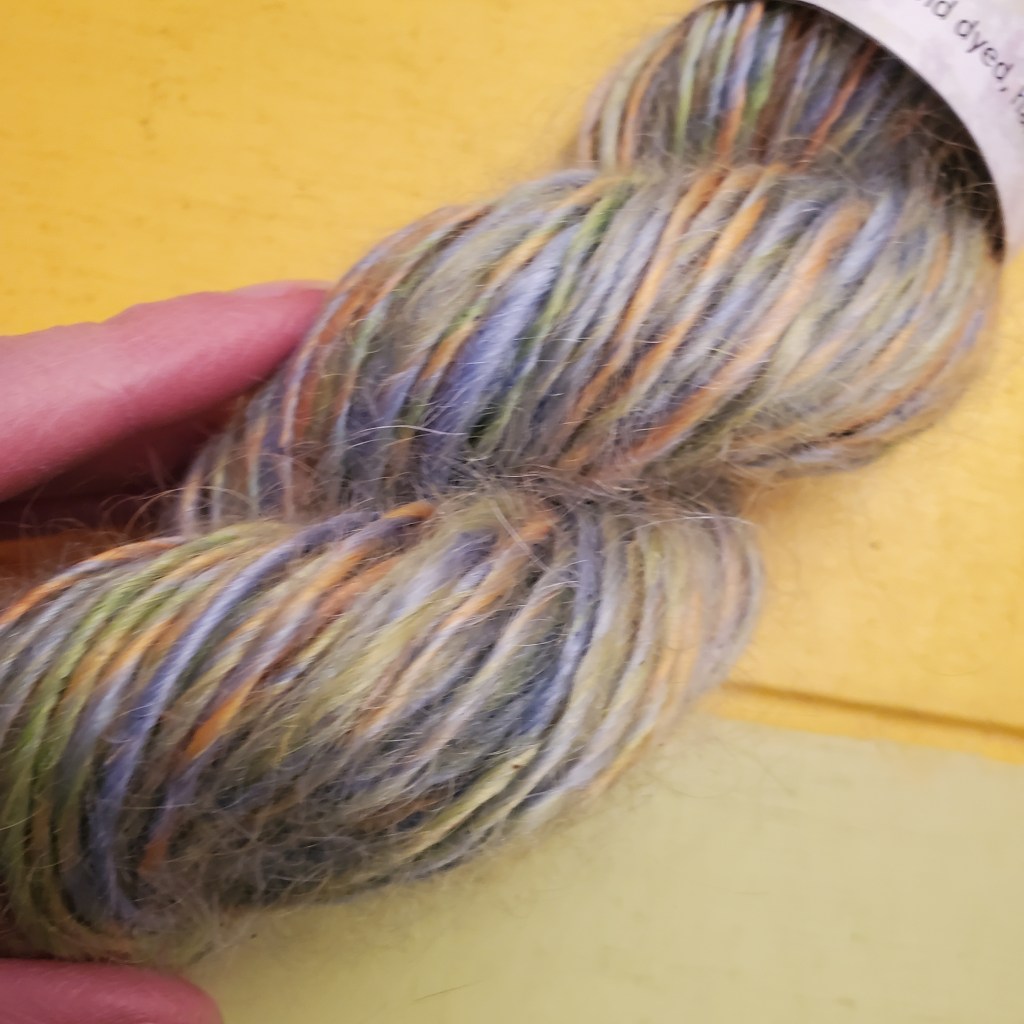
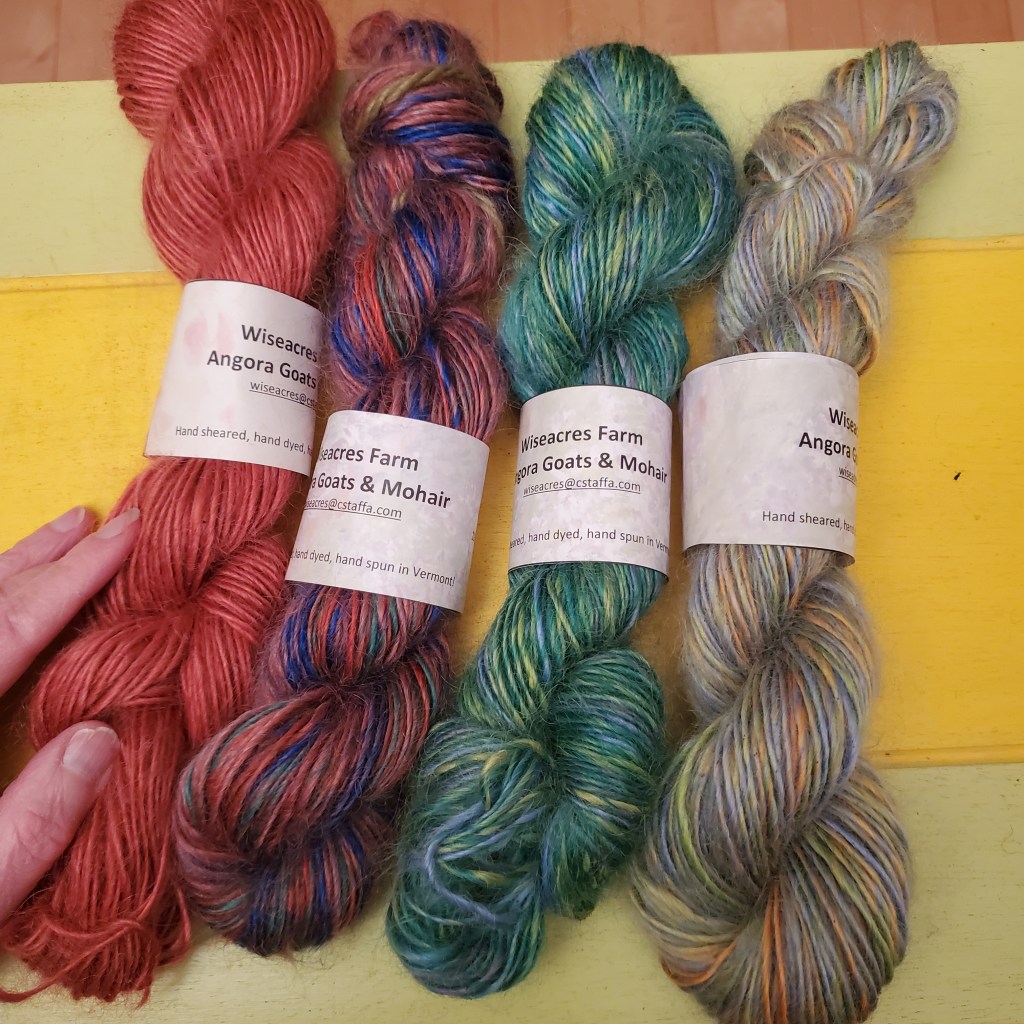
My thought was to make a yarn echoing the colors of the rug.

I did this listening to one of two Stones discs live from Wembley Stadium 1982.
Don’t let my industrious fool you. I feel really exhausted today.
I Like It
A bit of a digression for me, with the pastels, but I like how it turned out!
Book Corner 2023.8
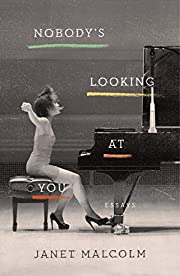
by Janet Malcolm
I’m not sure why I picked this up, except that it was essays, and I’m sure I thought, “Oh! I love essays”, some of them from the New Yorker and some from NYRB and I’m sure I thought, “Oh! Those will be quality.”
Maybe they were, but they were so very, very dated. I guess it was a nice walk down memory lane as we were reminded of the confirmation hearings for now-Justices John Roberts and Samuel Alito, and Jon Stewart/Stephen Colbert’s march to restore sanity, etc.. But the essay about email – what a hoot. “As email’s novelty wears off and its limitations become clearer, we will revert to the telephone…” Ha ha ha!
Essays in the beginning of the book tended to profile people with some unusual vocation or avocation, such as concert pianist or running a rare-print book shop. These weren’t terribly gripping. I have to admit I skipped one about a classic music radio show.
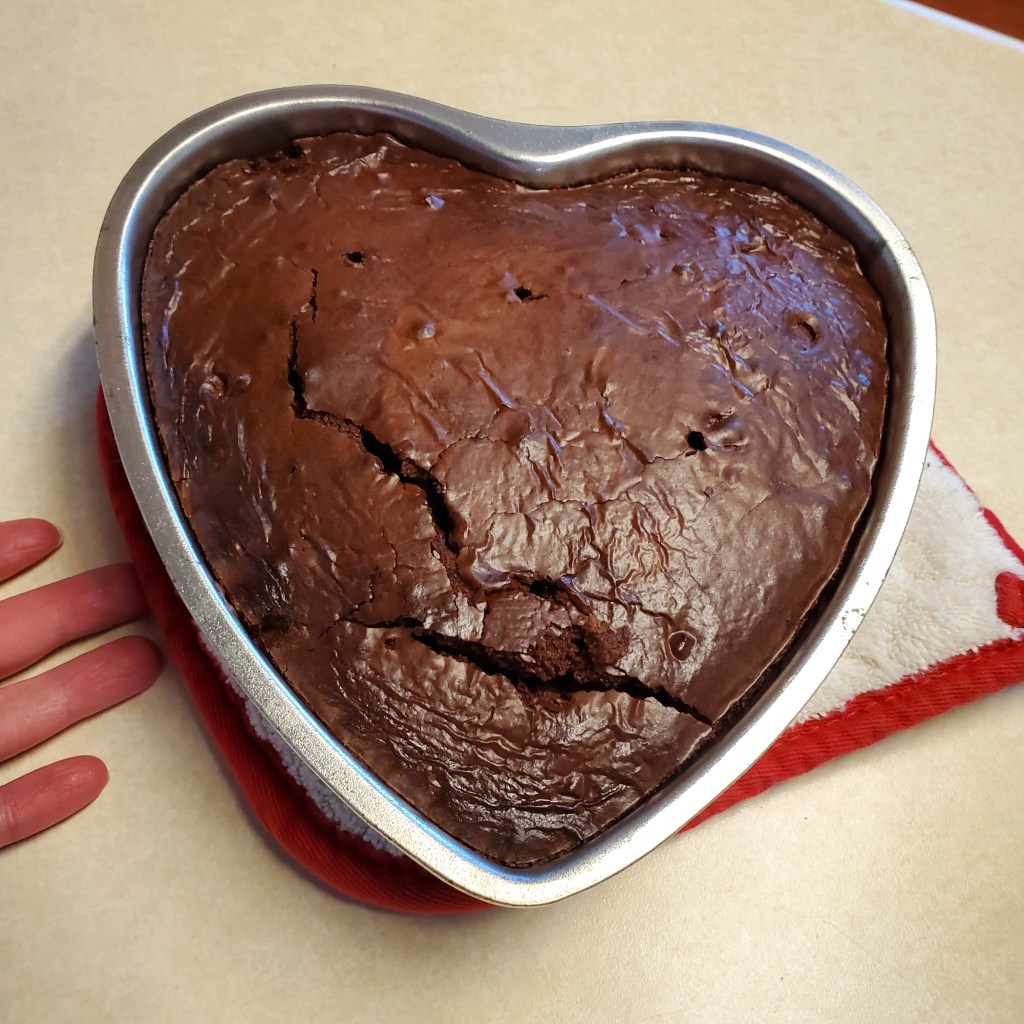
Couldn’t Care Less About Valentine’s Day Except
Why not any excuse for chocolate? And really why not any excuse for love?
Book Corner 2023.7
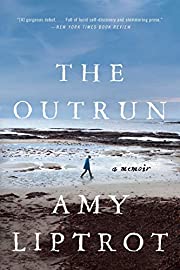
by Amy Liptrot
This is about the author’s alcoholism. She’s from Orkney and returns there for a year when she’s in her 30s or thereabouts and her life has been destroyed by alcohol. Orkney, off the northern tip of the Scottish mainland, is small and isolated to begin with, and she spends a winter on one island that is particularly small and isolated, living alone in a cottage. This is the part of the book that most appealed to me, having Hermit Envy. The descriptions of Orkney only made sense to me because I’ve seen Iceland.
The Others Didn’t Have a Pretty Picture
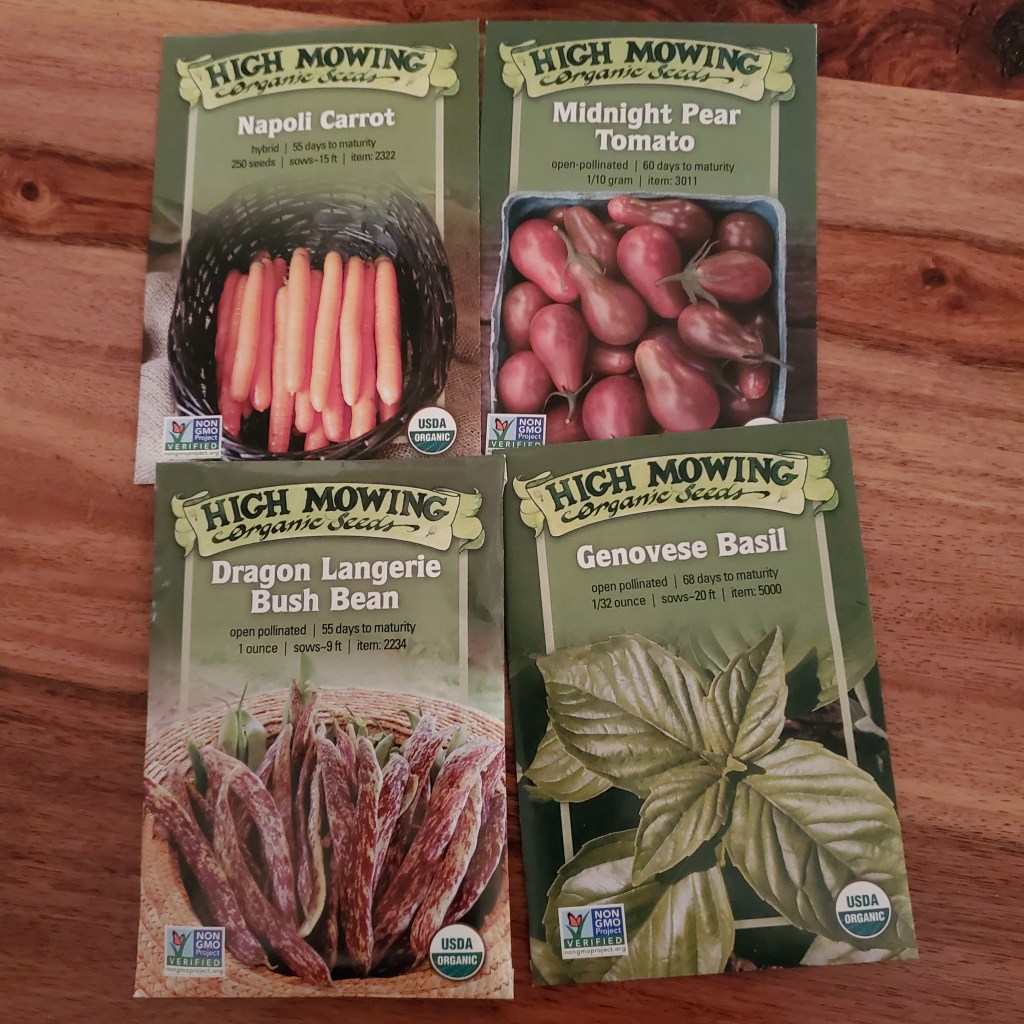
I’m gonna wait for the midnight pear…

