
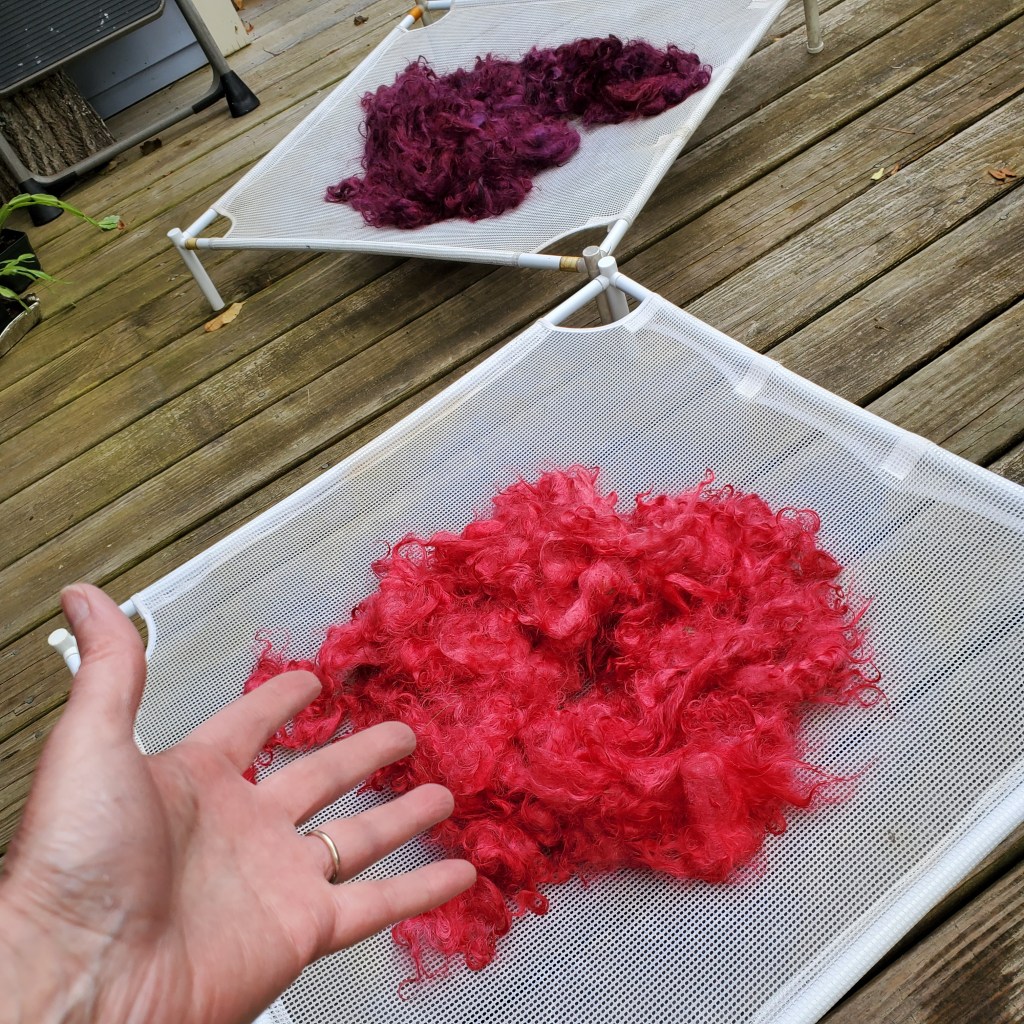
Art

After making lots of loud cracking noises for about an hour, this tree came down.

The world is a garden of earthly delights.
by Percival Everett
Full of mathematical and literalist humor. Dr. Wala Kitu is a mathematician who studies nothing. He contemplates and searches for nothing. “I have not found it… I work very hard and wish that I could say I had nothing to show for it.”
He’s recruited by a supervillain to break into Fort Knox, where the villain believes they will find nothing. Kitu goes along with the plan in spite of, as well as because of, the likelihood that nothing is likely to come of it. This is the kind of joke we get over & over. And I love it!
I have read Everett’s ERASURE and this made me similarly laugh out loud. JAMES I found to be a disappointment.
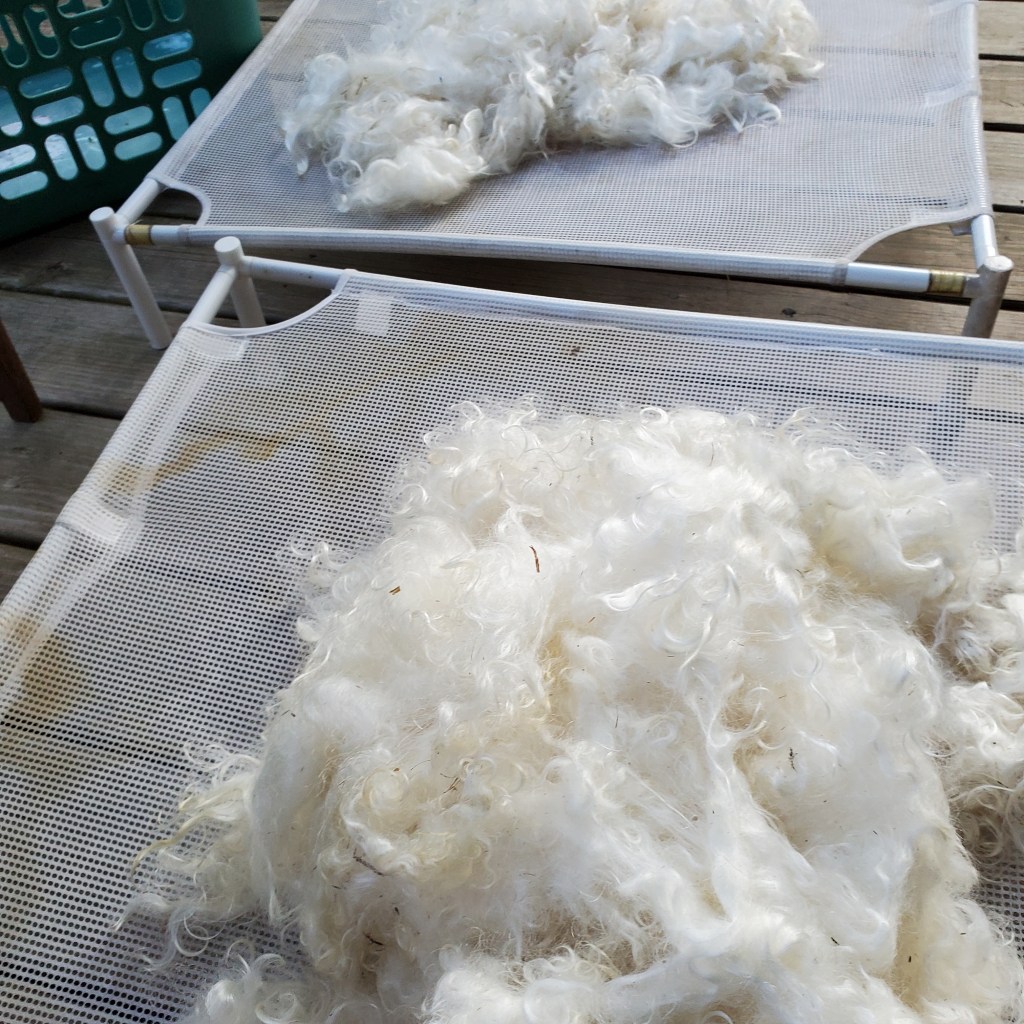
I motivated myself to wash Sunday. Tomorrow I have off and I may dye.
by Vijay Khuruna
I don’t know. It was very gripping to start out. But I never really felt that motivations were clear. It got a little monotonous, just like the northern Canada terrain they were covering. I also thought the ending epilogue was very bad and a serious letdown.
Chronological set of interviews, which get better as time goes on.
Love this bit from 2006:
“I can’t stand to play arenas, but I do play ’em. But I know that’s not where music’s supposed to be. It’s not meant to be heard in football stadiums, it’s not ‘Hey, how are you doin’ tonight, Cleveland?’ Nobody gives a shit how you’re doing tonight in Cleveland… They say, ‘Dylan never talks.’ What the hell is there to SAY! That’s not the reason an artist is front of people.”
Hell yeah, when you put it that way.
What comes through over and over, interview after interview, is Bob’s roots in folk music, and love and respect for (and encyclopedic knowledge of) those old songs and traditions and musicians who came before him. People who think folk was just a youthful phase or a mercenary way for him to break into the business don’t get it. “Those old songs are my lexicon and my prayer book,” he says in 1997, and I believe him.

This is Bill Wyman, the late-blooming lilac behind the back porch. The varietal is actually named “Donald Wyman,” but we changed this guy’s name to Bill early on.




 Tytania